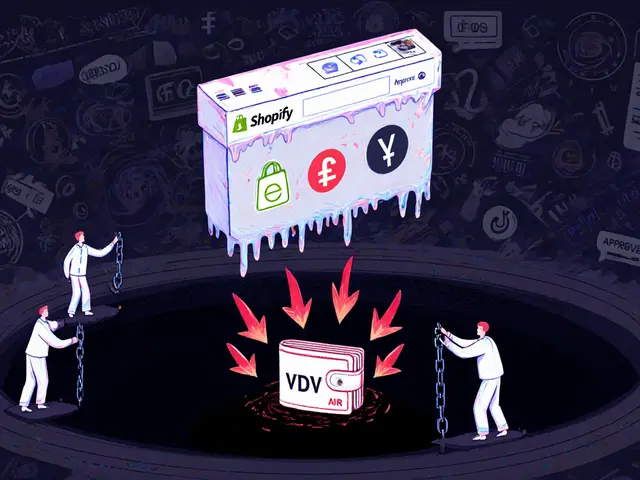
Finance & Geopolitics: How Crypto Shapes Global Power and Survival
When Finance & Geopolitics, the intersection of money, power, and international conflict. Also known as global financial strategy, it’s no longer just about central banks and trade deals—it’s about who controls digital cash when governments collapse or cut you off. Crypto isn’t just an investment anymore. It’s a lifeline, a loophole, and sometimes a crime.
In places like Venezuela, a country under heavy U.S. and EU sanctions, people use USDT to buy food because their own currency is worthless. The government even created its own crypto, the PETRO, to dodge sanctions and keep oil sales flowing. Meanwhile, in Bangladesh, where crypto trading carries a rumored 12-year prison sentence, traders still use P2P apps because the banks won’t let them send money abroad. And in North Macedonia, where crypto has been officially banned since 2017, people trade anyway—through WhatsApp groups, local cash exchanges, and foreign brokers who don’t ask questions.
This isn’t about speculation. It’s about survival. When a country’s economy is locked down, crypto becomes the only open border. When banks freeze accounts, crypto wallets don’t care about your passport. When inflation eats your salary, stablecoins like USDT hold value better than your local currency. These aren’t edge cases—they’re the new normal in places where traditional finance has failed.
What you’ll find below aren’t just news stories. They’re real-world case studies of how people outmaneuver bans, evade sanctions, and keep trading when the system tries to shut them down. You’ll see who gets punished, who gets away with it, and why governments can’t stop it—even when they try.

Risks of circumventing crypto restrictions: Legal analysis and compliance guide
An expert legal analysis on the risks of circumventing crypto restrictions. Learn about OFAC, FATF regulations, blockchain traceability, and criminal penalties involved in sanctions evasion.
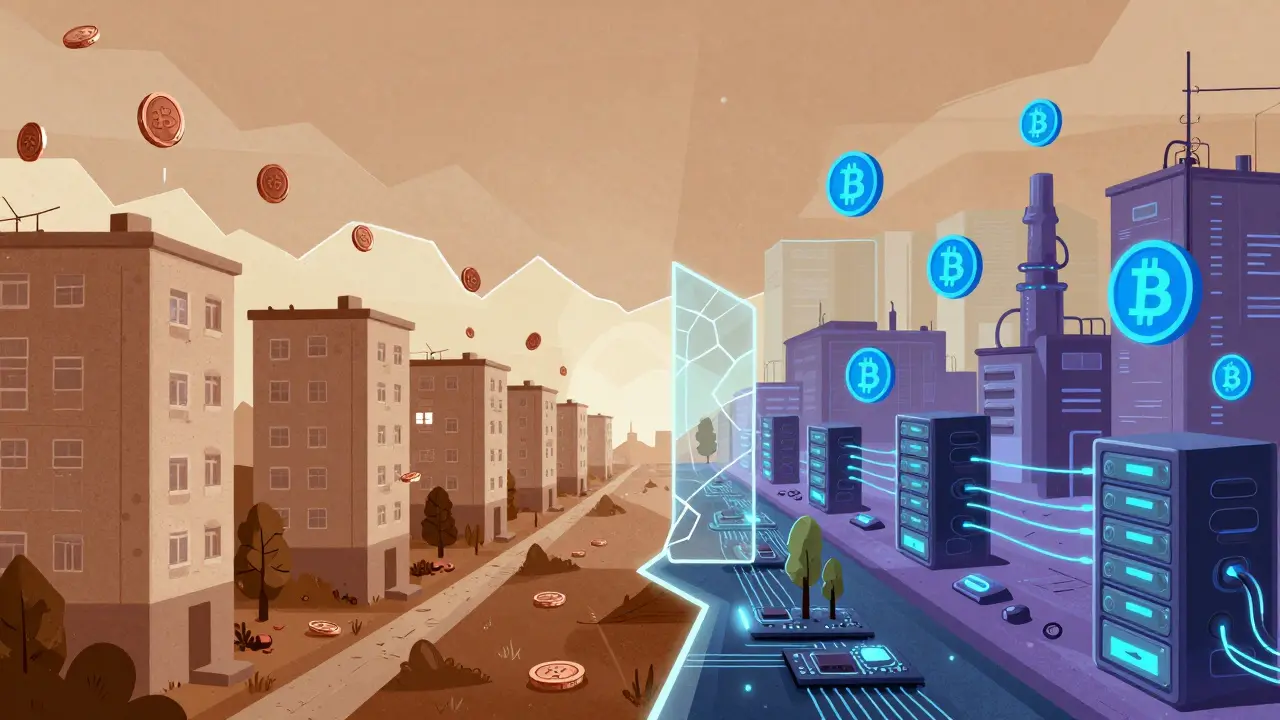
Russian Ruble Crypto Trading Restrictions Explained in 2026
Understand the current rules for cryptocurrency in Russia as of 2026. We break down the ban on domestic payments, the exceptions for international trade under the Experimental Legal Regime, and who qualifies to invest.
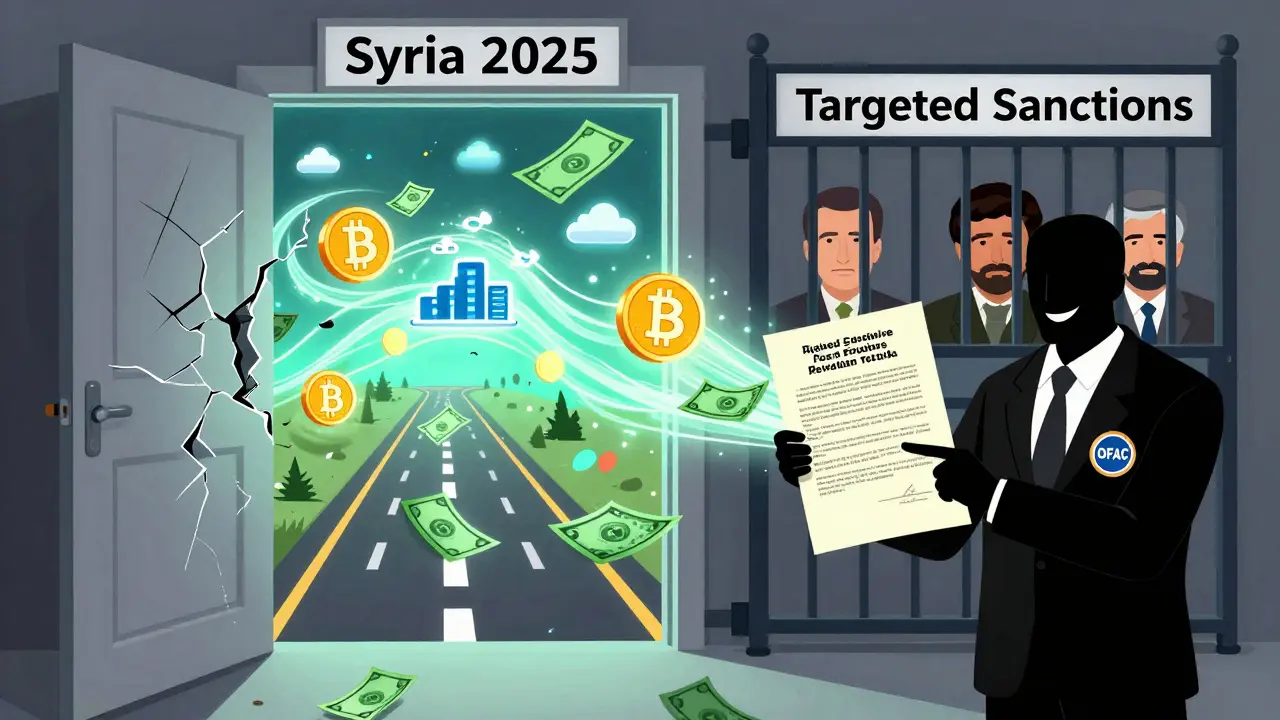
International Sanctions and Crypto Restrictions in Syria and Cuba in 2026
In 2025, the U.S. lifted long-standing sanctions on Syria while tightening restrictions on Cuba. This shift opened crypto access in Syria but locked it down in Cuba, reshaping how businesses and individuals move money across borders.
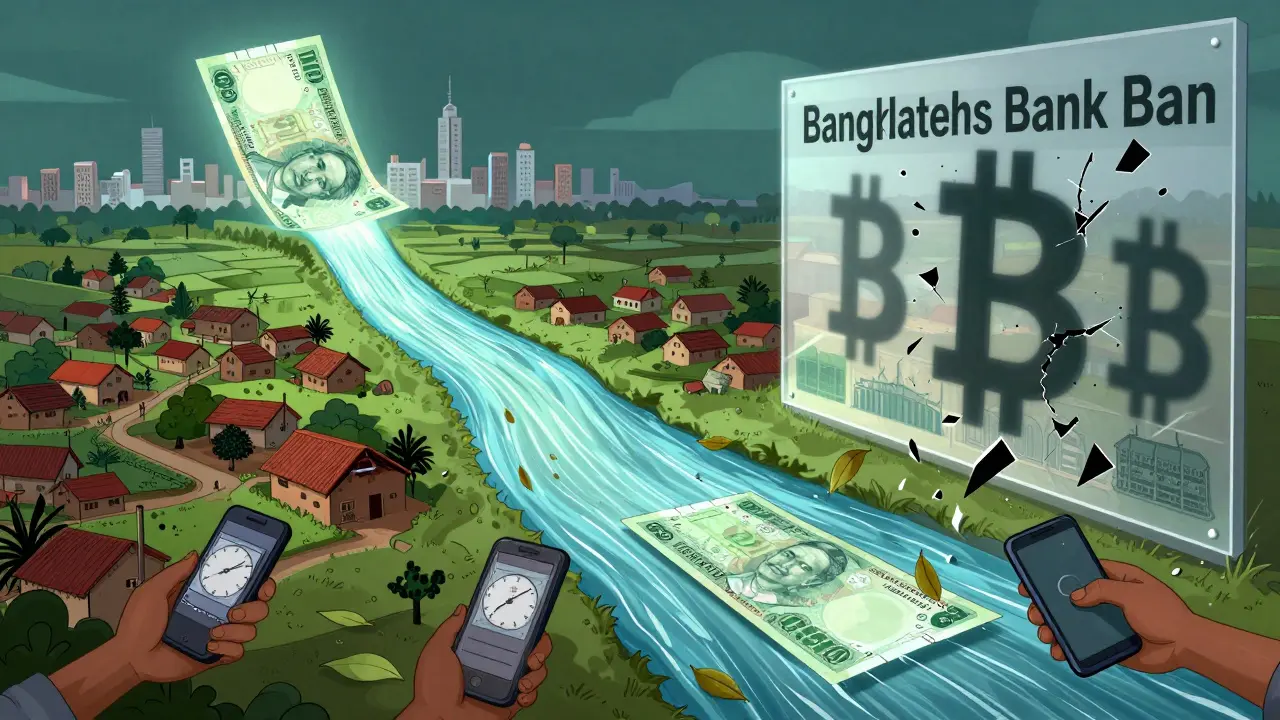
Remittances and Crypto Use in Bangladesh: Why Crypto Is Banned and How Formal Channels Are Booming
Bangladesh set a new remittance record at $30 billion in FY2025, but cryptocurrency remains strictly banned. Discover how formal channels are booming-and why crypto is still off-limits despite global trends.
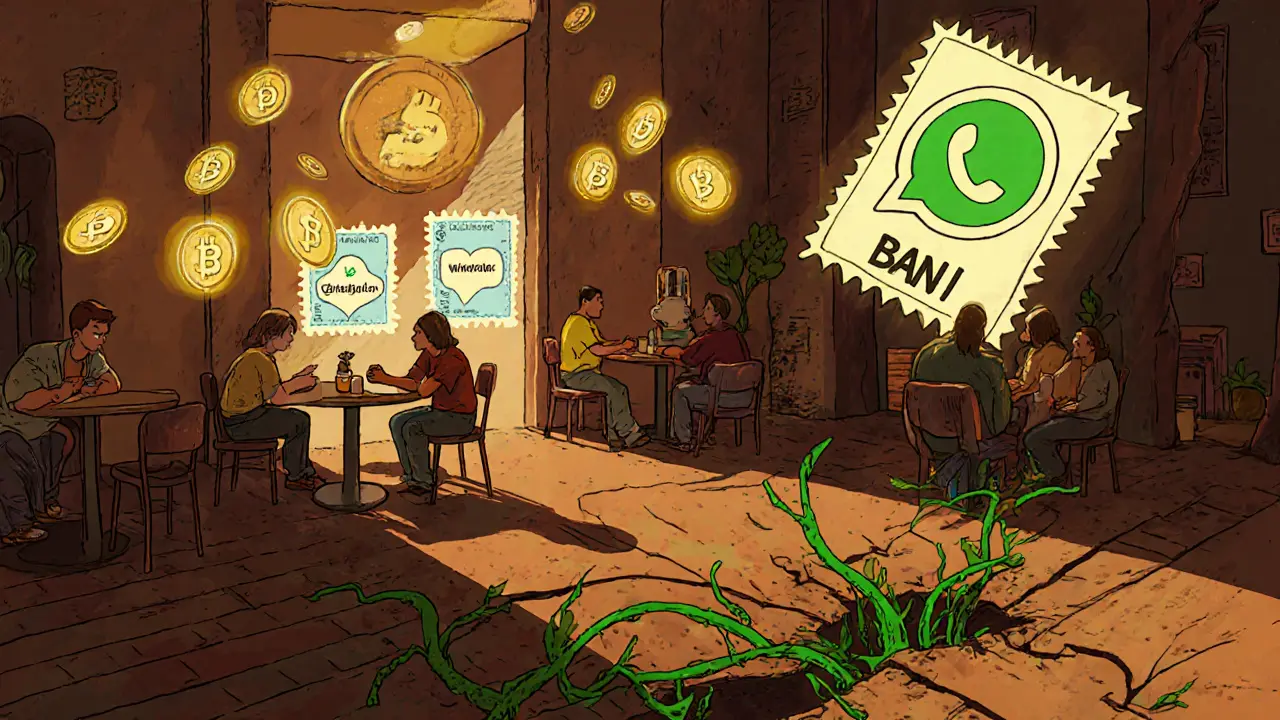
Underground Crypto Trading in North Macedonia: How People Bypass the Ban
Despite an official ban since 2017, crypto trading thrives underground in North Macedonia through P2P platforms and international brokers. Here’s how people trade safely-and why regulation is coming.
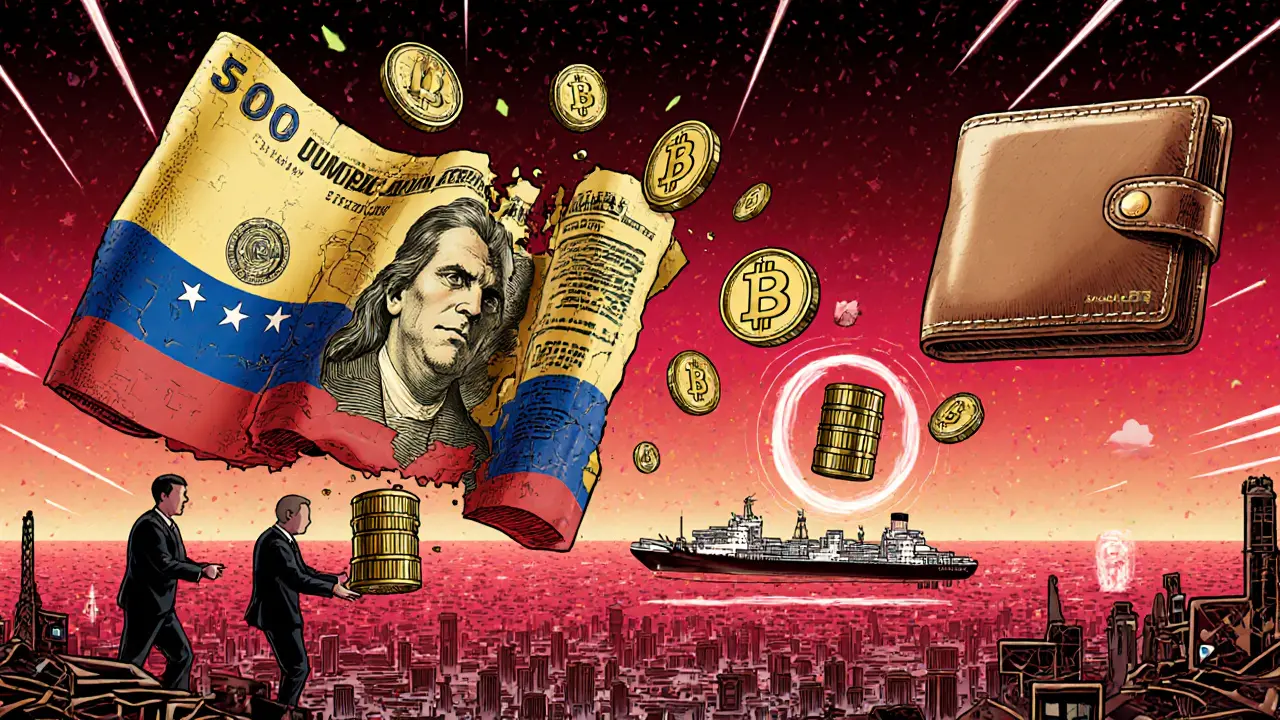
How Venezuela Uses Crypto to Bypass Sanctions
Venezuela uses cryptocurrency, especially USDT and the PETRO, to bypass U.S. and EU sanctions by turning oil exports into digital cash. State-controlled exchanges and crypto-laundering networks keep the regime funded while ordinary citizens rely on crypto just to survive.
12 Years Imprisonment for Crypto Trading in Bangladesh: What’s Really Legal
The claim that crypto trading in Bangladesh carries a 12-year prison sentence is widely repeated but legally misleading. Here’s what’s actually banned, who gets punished, and why people still trade anyway.