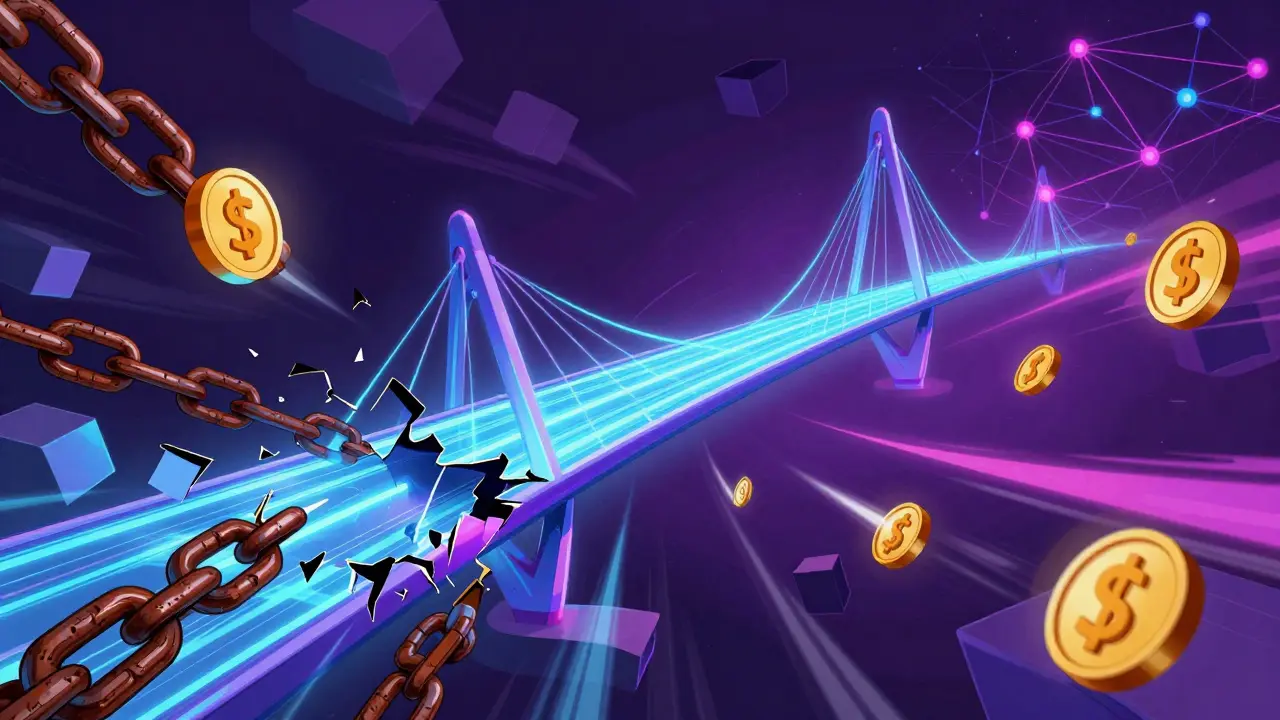
Swapping tokens on the blockchain used to mean paying a fortune in gas fees or waiting minutes for a transaction to clear. If you are trading on the Binance Smart Chain, a high-performance blockchain network known for low costs, you might have heard of DackieSwap, a decentralized exchange (DEX) that promises ultra-low fees and lightning-fast speeds. But does it deliver on those promises, or is there a catch? With over $1.2 billion locked in its pools, DackieSwap has become a serious player, but it also carries specific risks that every trader needs to understand before connecting their wallet.
What Is DackieSwap?
DackieSwap is not your typical centralized exchange like Coinbase or Binance. It is a decentralized platform built entirely on smart contracts. This means no company holds your funds; instead, you trade directly from your wallet using an Automated Market Maker (AMM) model. Launched in March 2023 by Alexei Volkov, a former Binance engineer, the platform was designed to fix a common problem in DeFi: liquidity fragmentation. By using concentrated liquidity pools-similar to Uniswap V3 but optimized for BSC-DackieSwap allows liquidity providers to put their capital to work more efficiently.
The core appeal is simple: speed and cost. Because it runs on the Binance Smart Chain, transactions settle in roughly 1.7 seconds, compared to over 7 seconds on Ethereum-based exchanges. More importantly, the average swap fee sits around $0.12, which is drastically lower than the $0.71+ you might pay on Ethereum networks during peak times. For high-frequency traders or those moving smaller amounts, these savings add up quickly.
Fees and Trading Costs
Let’s talk money. One of the biggest draws for DackieSwap is its aggressive fee structure. Standard trading fees are set at just 0.05%, significantly below the industry average of 0.25% to 0.30% found on platforms like PancakeSwap or Uniswap. For liquidity providers, the reward is 0.04% of the trade volume plus incentives in the native DACK token.
However, nothing in crypto is free. While the platform fee is low, you still need to pay gas fees to interact with the network. On BSC, this usually costs less than $0.10, but it can spike if the network is congested. A critical detail many users miss is the hidden withdrawal fee for the native DACK token, which sits at 0.5%. If you are providing liquidity in volatile pairs like DACK/BNB, be aware that impermanent loss can still eat into your profits. In fact, simulations show that while concentrated liquidity reduces impermanent loss by about 22% for stablecoin pairs, volatile pairs remain risky.
| Feature | DackieSwap | PancakeSwap | Uniswap (Ethereum) |
|---|---|---|---|
| Network | Binance Smart Chain | Binance Smart Chain | Ethereum |
| Avg. Swap Fee | $0.12 | $0.15 - $0.20 | $0.71+ |
| Trading Fee Rate | 0.05% | 0.25% | 0.30% |
| Token Pairs | 127 | 421+ | Thousands |
| Total Value Locked (TVL) | $1.24 Billion | $11.2 Billion | $58.2 Billion |
Security and Audits
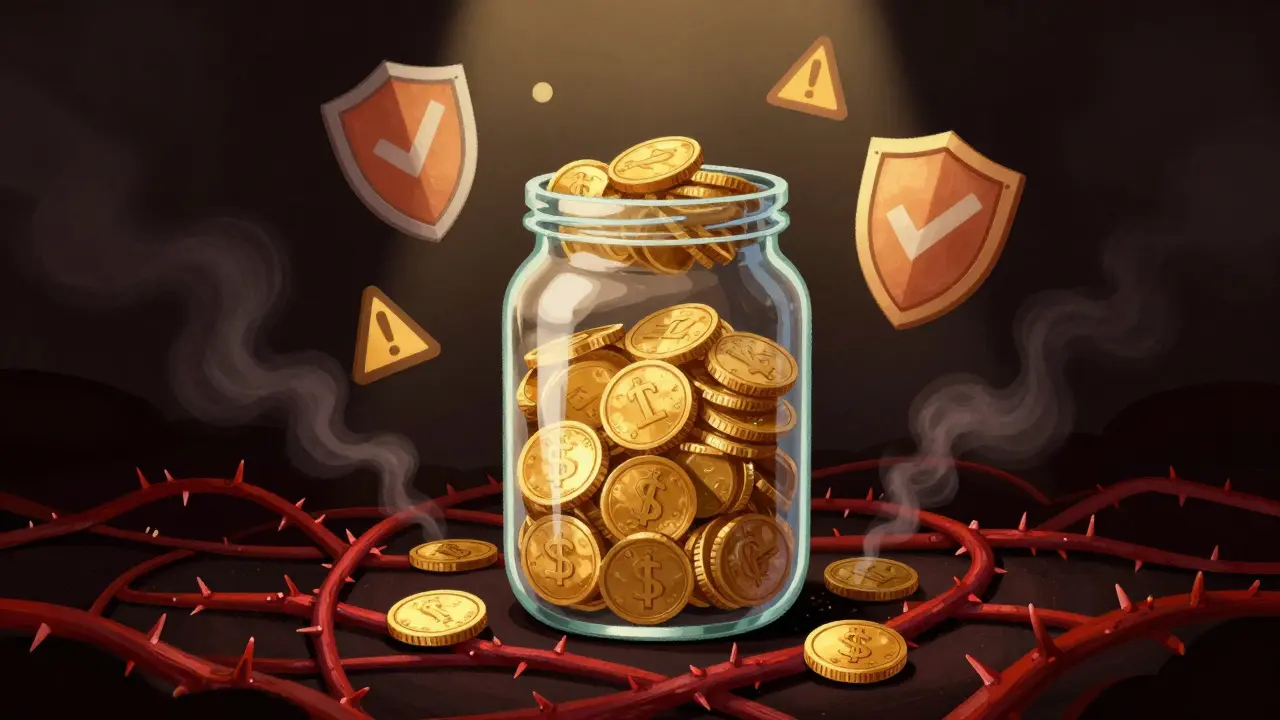
Security is the elephant in the room for any DeFi platform. DackieSwap has taken steps to address concerns, undergoing a rigorous audit by CertiK in September 2025. The audit identified and resolved three critical vulnerabilities, which is a positive sign. The protocol also uses multi-signature treasury management via Gnosis Safe, requiring four out of six keys to move funds, adding a layer of protection against single-point failures.
Despite these measures, risks remain. Chainalysis classified DackieSwap as "High Risk" due to inadequate KYC (Know Your Customer) checks for large liquidity pools exceeding $500,000. This lack of identity verification makes it harder to trace illicit funds, potentially exposing the platform to regulatory scrutiny. Additionally, an Immunefi report in late 2025 highlighted unpatched reentrancy risks in legacy version 2 pools. Users holding assets in these older pools are advised to migrate to the latest version to avoid potential exploitation vectors.
The platform also offers a $2.5 million bug bounty program through Immunefi, encouraging white-hat hackers to find flaws before malicious actors do. Real-time anomaly detection via Chainlink oracles helps monitor suspicious activity, though no system is foolproof. Always remember: in DeFi, you are your own bank. If you lose your private key or fall for a phishing scam, there is no customer support hotline to call back.
User Experience and Interface
Connecting to DackieSwap requires an EVM-compatible wallet like MetaMask, Trust Wallet, or SafePal. The interface is clean and intuitive, especially for experienced DeFi users. The Liquidity Provider (LP) dashboard is frequently praised in reviews for its clarity, allowing users to easily manage their positions. However, new users often struggle with the concept of concentrated liquidity. Setting up a position requires defining a price range, which can take 8-12 hours to master according to user surveys.
Support is primarily community-driven. The Discord channel handles 87% of queries, but email support has an average response time of 38 hours. During network congestion events, such as the one in October 2025, support responsiveness dropped significantly, leading to frustration among users stuck in pending transactions. For advanced users, the API access provides powerful tools, but it comes with a premium price tag of $499 per month.

Pros and Cons
- Pros:
- Extremely low trading fees (0.05%) and gas costs.
- Fast transaction settlement (under 2 seconds).
- Strong liquidity for major BSC tokens like BUSD and CAKE.
- Concentrated liquidity models improve capital efficiency.
- Cons:
- Limited to Binance Smart Chain only (no cross-chain swaps).
- High concentration of team-controlled tokens (62% of supply).
- Lack of KYC raises regulatory red flags.
- Steep learning curve for new DeFi users.
- Hidden 0.5% withdrawal fee for DACK tokens.
Is DackieSwap Right for You?
If you are a seasoned DeFi trader focused on BSC assets and want to minimize costs, DackieSwap is a compelling option. Its speed and low fees make it ideal for frequent swaps and arbitrage strategies. However, if you are looking for a beginner-friendly experience with broad asset selection and robust customer support, you might prefer established giants like PancakeSwap or centralized exchanges.
Be cautious if you plan to provide liquidity in highly volatile pairs. The risk of impermanent loss is real, and the platform’s limited cross-chain functionality means you cannot easily move assets to other networks without using third-party bridges, which carry their own risks. Always do your own research, start with small amounts, and never invest more than you can afford to lose.
Is DackieSwap safe to use?
DackieSwap has undergone audits by CertiK and implements multi-sig security, making it relatively secure. However, it lacks KYC for large pools and has faced criticism for tokenomics centralization. Always verify contract addresses and keep your private keys secure.
What are the fees on DackieSwap?
Trading fees are 0.05%, significantly lower than most competitors. Gas fees depend on BSC network congestion but typically stay under $0.10. Note that withdrawing DACK tokens incurs a 0.5% fee.
Can I use DackieSwap on Ethereum?
No, DackieSwap currently operates exclusively on the Binance Smart Chain (BSC). Cross-chain functionality to networks like Polygon is planned for mid-2026 but is not yet available.
How does DackieSwap compare to PancakeSwap?
DackieSwap offers lower fees and faster settlements due to its optimized architecture. However, PancakeSwap has a much larger ecosystem, more token pairs, and higher total value locked (TVL), making it better for diverse asset trading.
What wallets are compatible with DackieSwap?
You can connect any EVM-compatible wallet, including MetaMask, Trust Wallet, and SafePal. Ensure your wallet software is updated to the latest version for optimal compatibility.





Daniel J. Cox
June 28, 2026 AT 20:40hey everyone just wanted to say this is a really solid breakdown of the current state of DackieSwap on BSC i've been using it for my smaller trades because the gas fees are genuinely negligible compared to eth mainnet which is nice for not burning through your capital on every swap the concentrated liquidity feature is cool but yeah you gotta be careful with your price ranges or you get left holding the bag when volatility hits hard overall seems like a decent tool if you know what you're doing :)
Carl Belgrave
June 30, 2026 AT 16:59absolute garbage analysis anyone who thinks this platform is safe is delusional the lack of KYC is a massive red flag and shows they don't care about regulatory compliance or protecting users from bad actors i trust established platforms that follow the rules not these shady decentralized experiments that prioritize speed over security keep your money in regulated exchanges where you actually have recourse if things go wrong
Carl Hanzel
July 2, 2026 AT 11:03you people are so naive thinking low fees mean good value the hidden withdrawal fee for DACK tokens is a classic trap designed to lock you in while they dump their own holdings the team controls 62% of the supply which means they can manipulate the market whenever they want stop falling for these marketing gimmicks and realize that centralized control disguised as decentralization is just a ponzi scheme waiting to collapse
Emma Rémond
July 2, 2026 AT 14:34the notion that one should simply 'trust' an unregulated protocol based on superficial metrics like transaction speed is intellectually bankrupt the fundamental architecture of DackieSwap relies on a flawed assumption regarding liquidity fragmentation without addressing the systemic risks associated with smart contract vulnerabilities and the inherent instability of algorithmic stablecoins within its ecosystem furthermore the reliance on Binance Smart Chain introduces significant centralization vectors that contradict the very ethos of decentralized finance making it a precarious instrument for sophisticated investors who understand the nuances of tokenomics and risk management
ELNORA JEFFERSON
July 3, 2026 AT 03:58i tried to withdraw my DACK tokens last week and the interface was so confusing i almost lost everything the support team took forever to respond and when they finally did they just told me to read the docs which were completely useless honestly why bother with these new dexes when you can just stick to something simple like binance spot trading this whole defi thing is too much stress for no real gain
Nicole Woessner
July 4, 2026 AT 21:12i think we need to look at this from a broader perspective how technology evolves often involves trial and error and while some aspects of DackieSwap may seem risky it also represents an innovation in how we interact with digital assets the cultural shift towards self-custody is important even if it comes with challenges we should encourage learning and adaptation rather than dismissing new tools outright perhaps there is room for both traditional security measures and experimental financial models to coexist and educate each other
Carol @minaszilda
July 5, 2026 AT 16:29it is okay to feel overwhelmed by the complexity of DeFi platforms remember that every expert was once a beginner take small steps verify contracts yourself and never invest more than you can afford to lose the community here can be helpful if you ask specific questions about wallet setup or fee structures let us learn together and support each other in navigating this evolving landscape safely