
Have you heard the buzz about the ETHPAD, a new Ethereum-based platform aiming to simplify decentralized finance interactions through an intuitive interface and robust infrastructure? If you are looking for details on its "GRAND" airdrop, you are not alone. The crypto community is abuzz with speculation, but concrete, official information remains scarce. This guide cuts through the noise to help you understand what ETHPAD is, how to prepare for potential airdrops, and most importantly, how to avoid scams while waiting for legitimate opportunities.
What Is ETHPAD?
To participate safely, you first need to know what you are dealing with. ETHPAD is a blockchain project built on top of Ethereum, designed to enhance user experience in DeFi by providing seamless bridging, staking, and governance tools. Unlike complex protocols that require deep technical knowledge, ETHPAD aims to be user-friendly. It focuses on reducing friction for everyday users who want to interact with Decentralized Finance (DeFi), a financial system built on blockchain technology that eliminates intermediaries like banks.
The project has gained attention for its clean design and promise of high yields without the usual headaches of gas fees and complicated smart contract interactions. However, as with any new entrant in the crowded Layer 2 scaling solution market, which includes competitors like Arbitrum and Optimism, transparency is key. Always verify if the team behind ETHPAD is doxxed (publicly identified) and if their code has been audited by reputable firms like Certik or OpenZeppelin.
The "GRAND" Airdrop: Fact vs. Fiction
Rumors of a massive "GRAND" airdrop have circulated across social media platforms like X (formerly Twitter) and Telegram. An Airdrop is a marketing strategy where cryptocurrency projects distribute free tokens to wallet addresses to build community awareness and decentralize token ownership. While many successful projects like Uniswap and Gitcoin have used this model, not every rumor holds water.
As of August 2026, there is no single, universally confirmed announcement from ETHPAD’s official channels detailing a specific snapshot date or eligibility criteria for a "GRAND" drop. This ambiguity is common in the early stages of crypto projects. Here is how to separate fact from fiction:
- Official Channels Only: Ignore DMs. Legitimate projects never ask for your seed phrase via direct message. Check only verified links from their official website or main Twitter account.
- Whitepaper Verification: Does the project’s whitepaper mention token distribution plans? If it’s silent on airdrops, be skeptical of hype.
- Community Consensus: Look for discussions in the official Discord or Telegram groups, not random Reddit threads.
How to Prepare for Potential Eligibility
Even if the exact details aren’t public yet, you can position yourself to benefit if an airdrop does happen. Most airdrops reward early adopters who interact with the protocol. Here is a step-by-step approach to preparing your wallet and activity:
- Set Up a Dedicated Wallet: Use a secure non-custodial wallet like MetaMask, a browser extension and mobile app that allows users to store and manage Ethereum and other ERC-20 tokens. Keep some Ether (ETH) in it for gas fees. Never use your main savings wallet for experimental protocols.
- Interact with the Protocol: If ETHPAD has a live testnet or mainnet application, try using its core features. Bridge assets, stake tokens, or vote in governance proposals if available. Each interaction creates a transaction history on the blockchain, which projects often use to determine eligibility.
- Join the Community: Follow ETHPAD on social media. Some projects require holding an NFT or joining a Discord server as part of their eligibility criteria.
- Monitor Gas Fees: Interacting during peak times on Ethereum can be expensive. Consider using a Layer 2 network if ETHPAD supports it, to save on transaction costs.
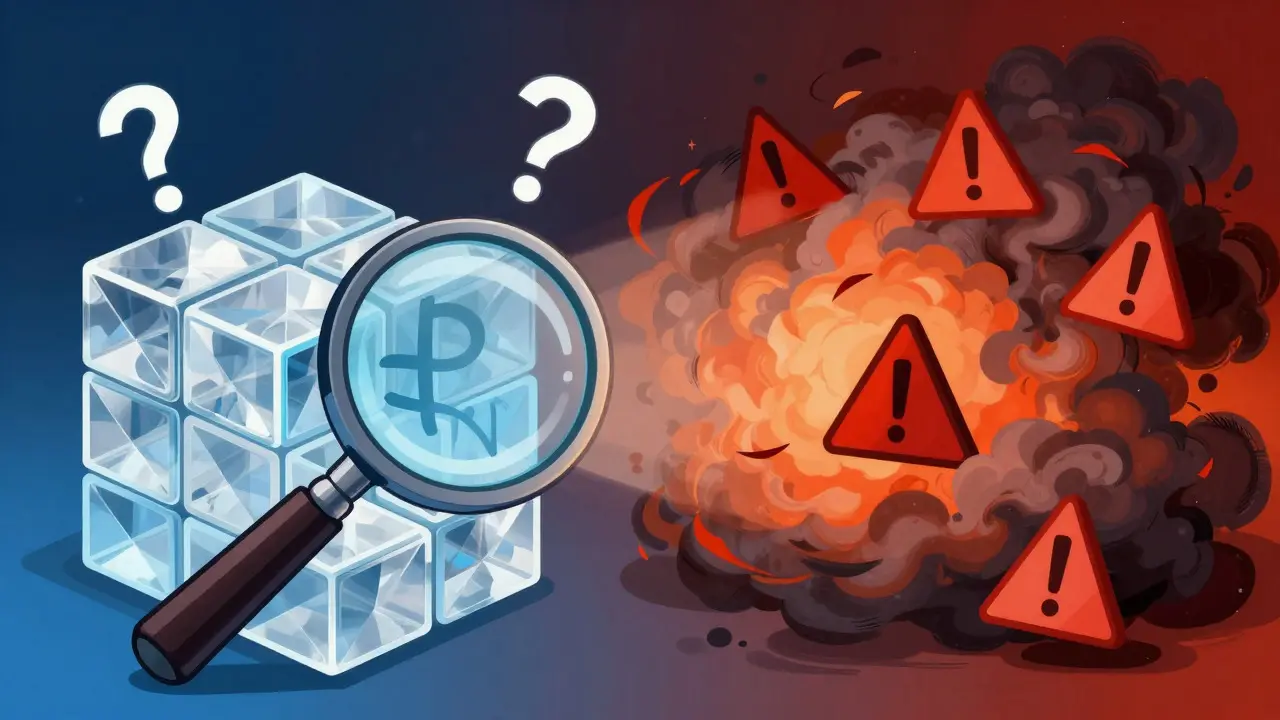
Red Flags: Avoiding Scams
The excitement around potential airdrops attracts scammers. Protect yourself by recognizing these common tactics:
| Scam Tactic | Legitimate Practice |
|---|---|
| Asking for your 12-word seed phrase | Never asks for private keys or seed phrases |
| Urgent deadlines with typos in URLs | Clear, professional communication with verified domains |
| Promising guaranteed huge returns | Focusing on utility and long-term value |
| Requiring payment to "unlock" tokens | Airdrops are typically free to claim (minus gas fees) |
If a site looks slightly off, or if a link was sent to you unexpectedly, pause. Verify the URL against the one listed on the project’s official social media. When in doubt, wait. There is always another opportunity in crypto.
Claiming Your Tokens: Step-by-Step
Once an official airdrop is announced, the claiming process usually follows a standard pattern. Here is what to expect:
- Visit the Official Claim Page: Bookmark the URL from the project’s verified Twitter or Discord announcement. Do not click links from unknown sources.
- Connect Your Wallet: Use the same wallet address that you used to interact with the protocol previously. You may need to approve a small transaction to connect.
- Check Eligibility: The site should display your eligible amount based on past activity. If it shows zero, double-check you connected the correct wallet.
- Sign the Transaction: Confirm the claim in your wallet. Be mindful of the gas fee required for this transaction.
- Verify Receipt: After confirmation, check your wallet balance. You should see the new tokens appear. You can then choose to hold, sell, or stake them depending on your strategy.
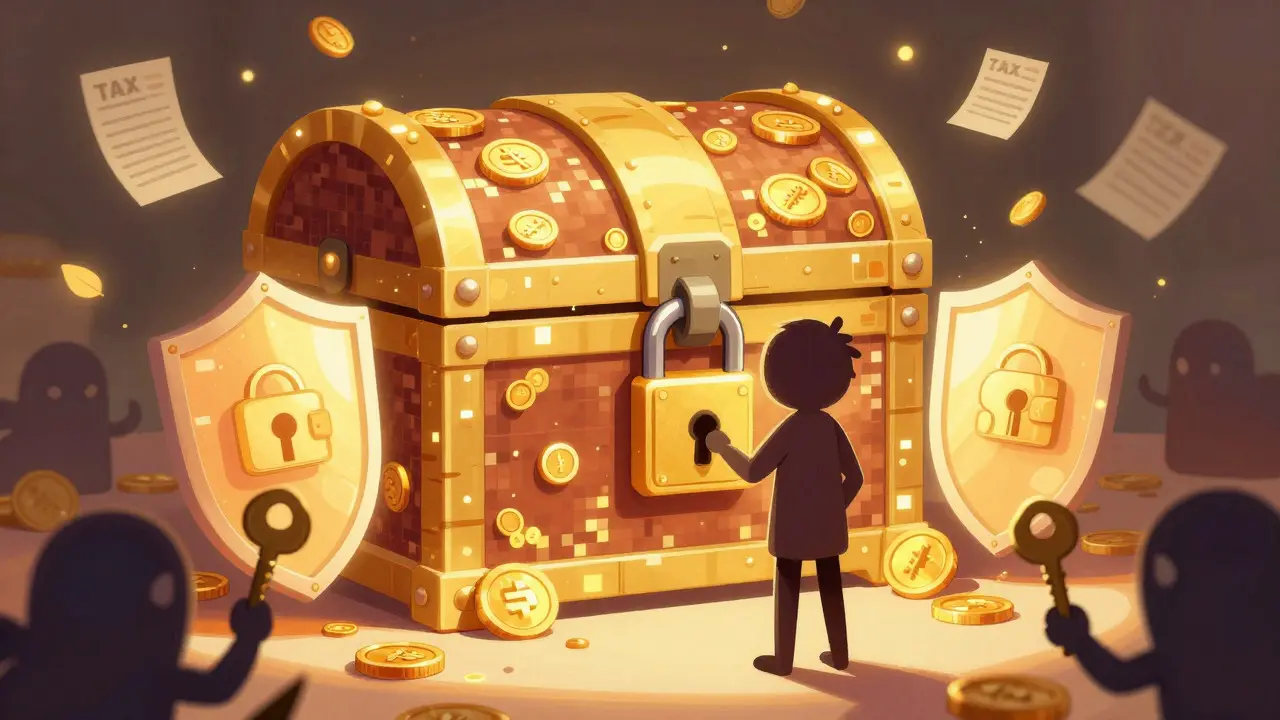
Tax Implications of Airdrops
Don’t forget the taxman. In many jurisdictions, including the United States, receiving an airdrop is considered taxable income at the fair market value of the tokens on the day you receive them. Keep records of:
- The date and time of receipt
- The number of tokens received
- The USD value of those tokens at the time of receipt
- Any subsequent sales or trades
Consult with a tax professional familiar with cryptocurrency to ensure compliance. Tools like CoinTracker or Koinly can help automate this tracking.
Next Steps and Troubleshooting
If you are unsure whether you qualify, revisit your transaction history on block explorers like Etherscan, a block explorer and analytics platform for the Ethereum blockchain. Search your wallet address to see all interactions. If you missed the window, stay engaged with the community. Projects often run multiple campaigns or offer future incentives for active participants.
Remember, patience is a virtue in crypto. Rushing into unverified claims can cost you more than missing out ever will. Stay informed, stay safe, and let the dust settle before making moves.
Is the ETHPAD airdrop real?
While ETHPAD is a legitimate project, specific details about a "GRAND" airdrop should be verified through their official channels. Always cross-reference announcements with their whitepaper and verified social media accounts to avoid scams.
How do I know if I am eligible for the ETHPAD airdrop?
Eligibility typically depends on past interactions with the protocol, such as bridging assets, staking, or participating in governance. Check your transaction history on Etherscan to confirm your activity.
Do I need to pay to claim the ETHPAD airdrop?
You usually only need to pay the standard network gas fee to process the claim transaction. Beware of sites asking for upfront payments or deposits to "unlock" your tokens.
Which wallet should I use for the ETHPAD airdrop?
Use a secure, non-custodial wallet like MetaMask or Trust Wallet. Ensure it is connected to the correct network (likely Ethereum or a supported Layer 2) and keep your seed phrase private.
Are ETHPAD airdrops taxable?
In many countries, yes. Airdropped tokens are often considered taxable income at their fair market value on the day of receipt. Keep detailed records for tax reporting purposes.







Eric Zehr
August 13, 2026 AT 03:22It is genuinely refreshing to see a guide that prioritizes security over hype in this space. Most people rush into these things without checking the audit status or the team behind the project, and it usually ends badly for them. I have been following ETHPAD since their early testnet days, and the interface improvements are noticeable compared to older DeFi protocols. The emphasis on avoiding seed phrase leaks cannot be overstated because scammers are getting incredibly sophisticated with their phishing tactics. It is great that you highlighted the importance of using a dedicated wallet rather than your main savings account. That simple step has saved me from potential disaster more times than I can count. Keep up the good work with these educational resources because clarity is what we need right now.
Namrata Mapgaonkar
August 13, 2026 AT 23:47omg yes finally someone explains this properly!! i was so confused about the whole gas fee thing and whether i should use my main metamask or not :D thanks for the tip on using a separate wallet lol. also the part about taxes is scary but true haha. i hope ethpad does well because the ui looks super clean compared to other stuff i tried. waiting for the official announcement now.. fingers crossed!!
Matthew Smith
August 15, 2026 AT 23:36the moral imperative of verifying sources before engaging with financial instruments is often overlooked by the masses who chase quick gains. one must consider if the decentralization promised is genuine or merely a marketing facade designed to extract value from the unwary. the structure of these airdrops often rewards speculation over utility which skews the initial distribution towards those with the most capital rather than the most commitment. it is a philosophical question of whether true ownership can exist when the tokenomics are manipulated by opaque teams. we must remain vigilant against the erosion of trust in these systems.
Prudence Flemming
August 16, 2026 AT 23:14look at the underlying architecture and you will see the real story here. most layer two solutions are just trying to solve the trilemma but they end up compromising on security or decentralization. ethpad seems to be leveraging existing infrastructure which is smart but raises questions about long term viability if the base layer changes its fee market dynamics. the jargon around 'seamless bridging' is often code for complex multi-hop transactions that carry hidden risks. you need to look at the smart contract interactions on etherscan to really understand the exposure. it is not just about clicking buttons it is about understanding the state changes happening on the chain.
Candice Cornett
August 17, 2026 AT 12:42everyone is too excited about free tokens and missing the obvious red flags. this is just another way to farm liquidity from retail investors who think they are getting something for nothing. the so called grand airdrop is likely a trap to inflate the circulating supply before a dump. i have seen this pattern repeat itself countless times with projects that promise the moon and deliver dust. stop falling for the narrative and look at the actual token vesting schedules if they even publish them. it is always the same old story wrapped in new branding.