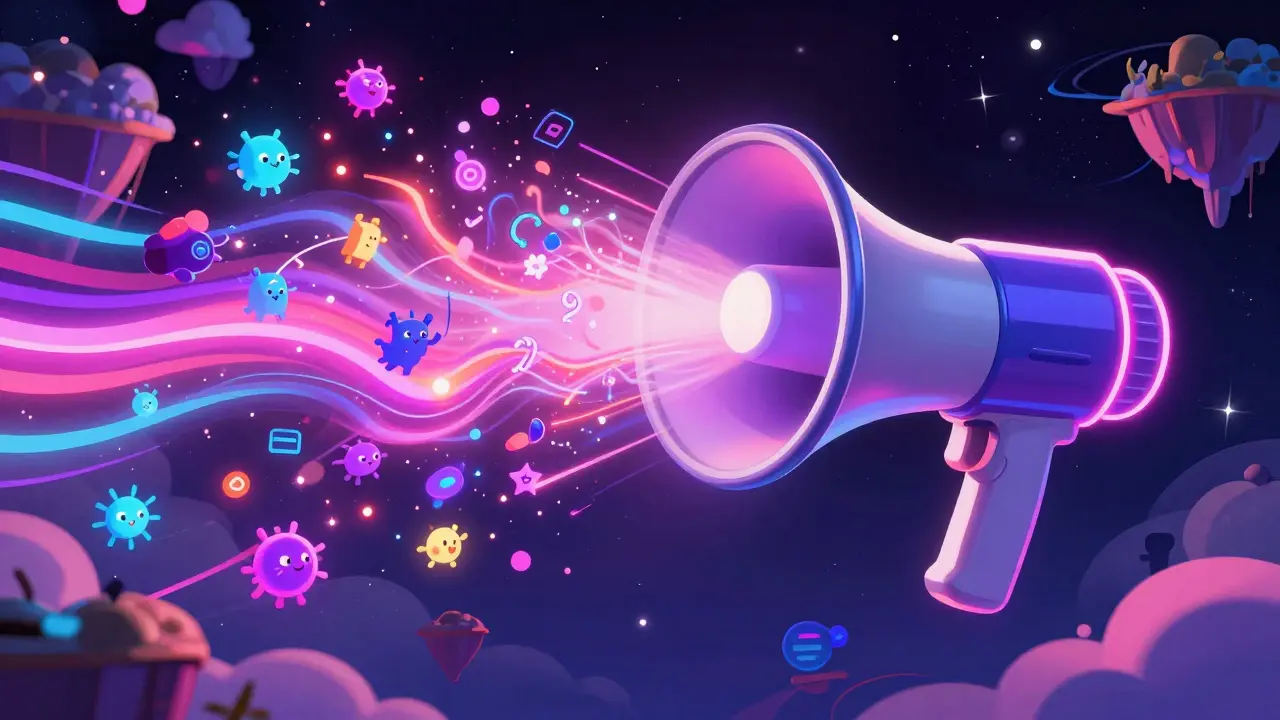
The core of memecoin community building is shifting the focus from "investors" to "believers." People don't buy memecoins for the utility; they buy into a joke, a movement, or a digital identity. If you can make someone feel like they're an early adopter of the next big cultural phenomenon, they'll stick around through the volatility. But how do you actually build that from scratch without spending millions on celebrity shills?
The Digital Command Center: Where Your Army Lives
You can't just pick one platform and hope for the best. Different social channels serve completely different psychological purposes. If you treat your Discord like your Twitter, you'll alienate your most hardcore supporters.
Twitter (X) is your megaphone. It's where the discovery happens and where the "hype train" is fueled. This is the place for short, punchy updates, tagging influencers, and starting raids. You aren't looking for deep conversations here; you're looking for visibility and noise.
Telegram acts as your war room. It's fast, chaotic, and perfect for real-time coordination. When a big whale buys or a new exchange lists your token, the Telegram group is where the energy peaks. It's the heartbeat of the project's immediate sentiment.
Discord is your community center. Unlike the stream of consciousness in Telegram, Discord allows you to organize. You can have separate channels for meme creation, technical support, and "diamond hand" holders. This is where you build long-term loyalty through custom roles and structured engagement.
For those looking to reach the masses, TikTok and YouTube Shorts are the primary engines for organic discovery. A 15-second clip of a funny meme associated with your coin can bring in ten times more new users than a formal announcement post.
Turning Attention Into Loyalty
Getting people to click "Buy" is just step one. The real challenge is stopping the "community boredom" that kills 99% of memecoins within a month. You need a constant stream of activities that make users feel like they are winning something, even if the price is sideways.
- Gamified Reward Systems: Don't just give away tokens. Create a leaderboard. Reward people for the most raids on Twitter or the funniest meme of the week. When users compete for status (like a "Legendary Raider" badge), they stay engaged longer.
- The Power of Airdrops: Using an Airdrop is a classic move to seed a community. By giving tokens to active users of other similar projects, you create an instant incentive for them to check out your ecosystem.
- Live AMA Sessions: Transparency creates trust. Regular Ask Me Anything (AMA) sessions with the founders humanize the project. When people see a real face and hear a real voice, they are less likely to panic-sell during a dip.
- User-Generated Content (UGC) Contests: Your community should be your marketing team. Run weekly contests where the best meme wins a prize. This not only keeps the group active but provides you with a constant supply of fresh marketing material.

The Influencer Trap: Micro vs. Mega
Many founders make the mistake of spending their entire budget on one celebrity with 10 million followers. The problem? Most of those followers aren't crypto-native and will dump the token the moment they hear it's a "good entry." Instead, the smart play is focusing on mid-tier influencers.
| Feature | Celebrity/Mega Influencer | Mid-Tier (10k-100k followers) |
|---|---|---|
| Trust Level | Low (seen as a paid ad) | High (seen as a trusted peer) |
| Engagement | Passive (likes/views) | Active (conversations/questions) |
| Cost | Extremely High | Moderate/Performance-based |
| Retention | Short-term spike | Sustainable growth |
Mid-tier influencers who actually trade crypto have a level of authenticity that money can't buy. When they talk about a project, their community listens because they trust their eye for the next "moonshot." This creates a foundation of holders who are there for the community, not just a 2x gain.
Technical Tools for Community Scaling
You can't manage a community of 50,000 people with just a few moderators and a prayer. You need a technical stack that automates the boring stuff and enhances the fun stuff.
First, implement Snapshot for community voting. Letting your holders decide on the next marketing push or a new feature makes them feel like co-owners of the project. This psychological ownership is a powerful retention tool.
Second, use specialized bots for Discord and Telegram. You need bots that can track whale movements, alert the group to new buys, and automatically assign roles based on token holdings. When a user gets a "Whale" role automatically, it triggers a status-seeking response that encourages others to buy more to reach that tier.
Finally, lean into AI content tools. Using Midjourney or Runway allows your team to pump out high-quality, surreal memes at a speed that keeps up with the internet's attention span. In this game, the project that produces the most relevant content the fastest usually wins.
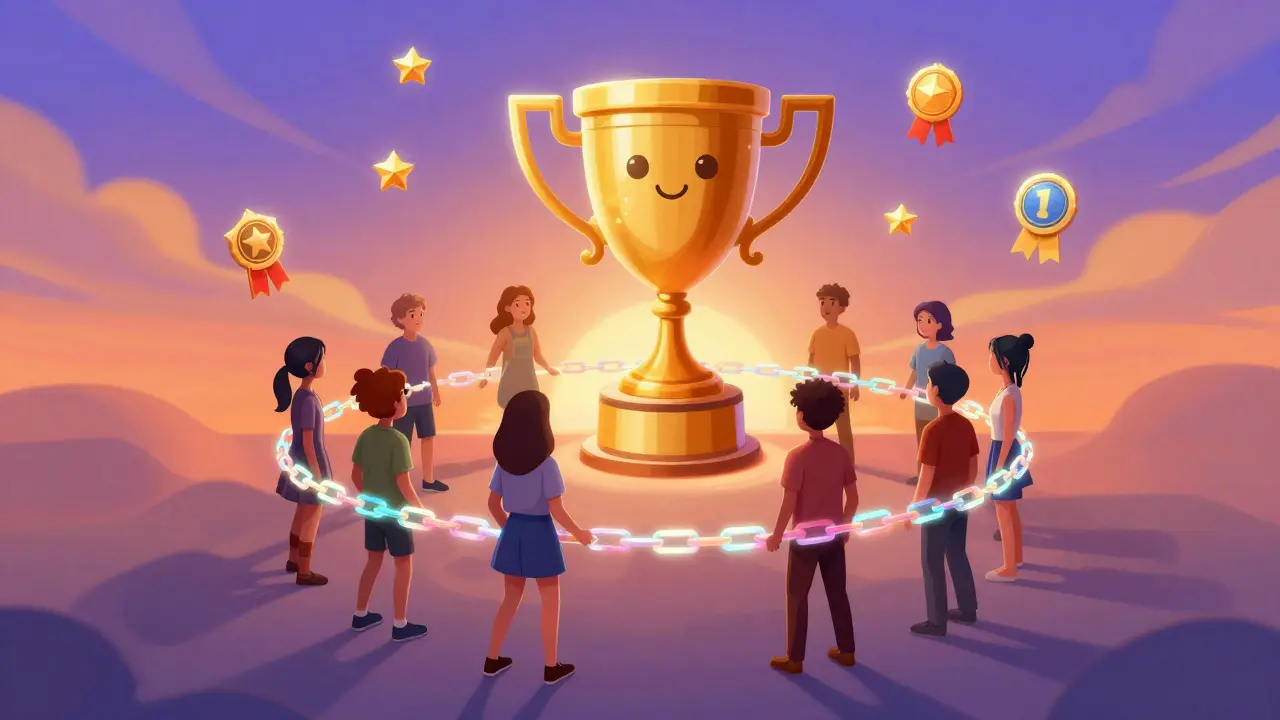
Common Pitfalls and How to Avoid Them
The biggest killer of a memecoin isn't a price drop; it's silence. When the developers stop posting or the Telegram group becomes a ghost town, people panic. You have to maintain a perception of momentum, even when things are quiet.
Avoid the "Hype and Ghost" cycle. Many projects launch with a massive bang, only to disappear once the founders take profits. To avoid this, establish a communication cadence. Even if there's no major news, a "Weekly Vibe Check" post keeps the community feeling seen. Small, consistent updates are better than one giant announcement every three months.
Another mistake is ignoring the "haters." In a strange twist, a small amount of controversy can actually help a memecoin. When your community defends the project against critics, it strengthens the internal bond. The key is to let the community handle the defense while the leadership stays focused on the vision.
What is the best platform to start a memecoin community?
You shouldn't rely on just one. Start with Twitter (X) for visibility, Telegram for real-time hype and coordination, and Discord for organized, long-term community management. TikTok is the best for viral growth, while the other three are for retention.
How do I stop people from selling my memecoin too quickly?
Focus on "emotional utility." Create a strong identity, a sense of belonging, and gamified rewards. When users feel they are part of an exclusive club or are competing for status (via roles and badges), they are more likely to hold through volatility.
Are celebrity endorsements worth the money?
Generally, no. Mega-celebrities bring a lot of "low-quality" attention that leads to quick dumps. Mid-tier crypto-native influencers (10k-100k followers) usually provide much better ROI because their audience actually understands how to hold a token.
How often should a memecoin project communicate with its community?
Daily. Memecoin communities have very short attention spans. Even minor updates or "vibe checks" are necessary to prevent the community from feeling that the project has been abandoned.
What are some effective community-driven activities?
Weekly meme contests with token rewards, live AMA sessions with the team, and community-led raids on Twitter are the most effective ways to maintain high engagement levels.
Next Steps for Your Project
If you're just starting, your first 48 hours are critical. Set up your social trinity (X, Telegram, Discord) and find five mid-tier influencers who fit your token's aesthetic. Don't launch your token until you have a core group of "seed" members who are ready to flood the chat with positivity the moment you go live.
For existing projects struggling with stagnation, try a "Re-Engagement Sprint." Launch a high-reward meme contest over 7 days and hold a transparent AMA to announce a new, simple goal for the community. Remember: in the memecoin world, momentum is the only metric that truly matters.

Findlay Duncan Lyon
April 25, 2026 AT 10:15Spot on. The vibe is everything in this space.
Sarah Fisher
April 25, 2026 AT 15:42It's fascinating how this mirrors sociological theories on tribalism and collective identity.
We aren't just trading assets; we are trading a sense of belonging in a digital age where traditional communities are crumbling. The idea of "emotional utility" is a brilliant way to frame it because it acknowledges that the value isn't in the code, but in the shared human experience of the gamble. I've noticed that the most successful projects are those that create a mythology around their token, turning a simple image into a symbol of a larger movement. It makes me wonder if the memecoin phenomenon is actually the purest form of a social contract, where the only agreement is to maintain the illusion of value together. By gamifying status and rewards, developers are essentially building a digital meritocracy based on loyalty rather than capital. This shift from investor to believer is a profound psychological transition that ensures a level of resilience that traditional financial instruments simply cannot replicate. It's a symbiotic relationship where the community provides the value and the founders provide the narrative structure. When this alignment is perfect, the volatility becomes a bonding exercise rather than a deterrent. It really highlights the intersection of behavioral economics and internet culture in a way that few other assets do.
Ali Tate
April 26, 2026 AT 20:07imagine thinking some mid tier influencer is the key to greatness lol absolute clown show if you think a few k followers makes a project legit only real american grit and raw aggression scale these things not some curated list of a few airdrops for losers
Larry Yang
April 27, 2026 AT 01:20The analysis is quaintly optimistic about "retention" when most of these are just glorified ponzis with better branding. It's a bit laughable to call a Discord role "psychological ownership" when it's actually just a carrot for the gullible to not sell before the devs rug. I suppose for some it's an art form, but from a real analytic perspective, it's just noise management. The obsession with "vibe" is just a convenient mask for a total lack of fundamental value. Still, the point about micro-influencers is marginally correct, though it barely saves the premise from being derivative.
Guy Bianco
April 28, 2026 AT 08:22I believe we should all strive to support one another in these learning journeys. 😊 It is wonderful to see such a detailed breakdown of community management for those who are just starting out. 🌟