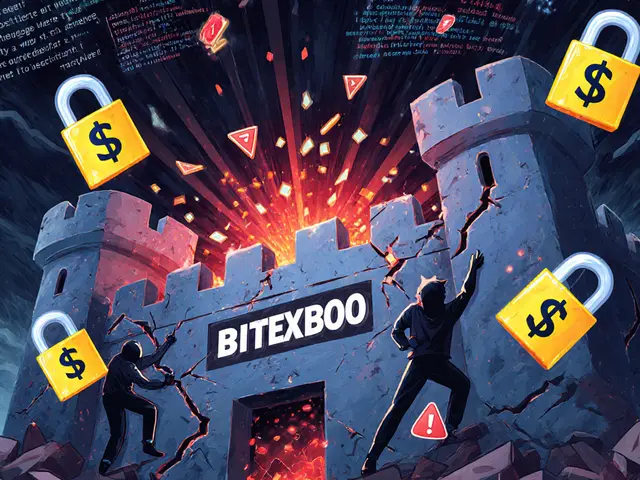
Cryptocurrency Electricity Cost: How Mining Drains Power and What It Really Costs
When you hear about cryptocurrency electricity cost, the amount of power used to run blockchain networks like Bitcoin through mining. Also known as blockchain energy consumption, it’s not just a tech footnote—it’s a real-world bill that adds up to billions of dollars a year and powers entire cities. Every time a Bitcoin transaction confirms, it’s not magic—it’s electricity. Thousands of machines, running 24/7, burning power to solve math problems that secure the network. And that’s just Bitcoin. Ethereum used to be the same way before it switched to Proof-of-Stake. Now, most major coins still rely on this power-hungry method.
So how much power are we talking? In 2024, Bitcoin alone used more electricity than the entire country of Argentina. That’s not a guess—it’s tracked by the Cambridge Centre for Alternative Finance. One Bitcoin transaction can use as much power as an average U.S. household does in over a week. And miners don’t care where that power comes from—they just want it cheap. That’s why you’ll find massive mining farms in places like Texas, Kazakhstan, and Paraguay, where energy is abundant and regulation is loose. Some even use stranded natural gas or hydro power that would otherwise go to waste. But many still burn coal. The crypto mining power usage, the total energy demand from all blockchain mining operations worldwide. Also known as mining energy footprint, it’s growing faster than solar and wind in some regions. And while newer coins like Solana or Cardano use a fraction of the energy, Bitcoin and Dogecoin still dominate the conversation because they’re the biggest. You can’t ignore the cost when your portfolio includes them.
Here’s the catch: most people don’t think about this when they buy crypto. They see the price chart, not the power plant. But if governments start taxing crypto based on energy use, or if utilities raise rates because of mining demand, your profits could shrink. Some countries have already banned mining outright. Others are forcing miners to use renewable energy—or get out. The Bitcoin energy consumption, the specific amount of electricity used by the Bitcoin network to maintain its blockchain. Also known as BTC power draw, it’s the most visible example of why this matters. If you’re holding Bitcoin, you’re indirectly paying for that electricity—through higher grid costs, environmental damage, or future regulations. And if you’re mining? You’re on the front lines of a battle between profit and sustainability.
The posts below dig into the real numbers behind crypto power use, expose which coins are secretly draining grids, show you how to calculate your own mining costs, and reveal the hidden trade-offs behind every transaction. You’ll see what happens when a small town gets overwhelmed by miners, how some projects are trying to fix this, and why the next big crypto shift might not be about price—but about power.
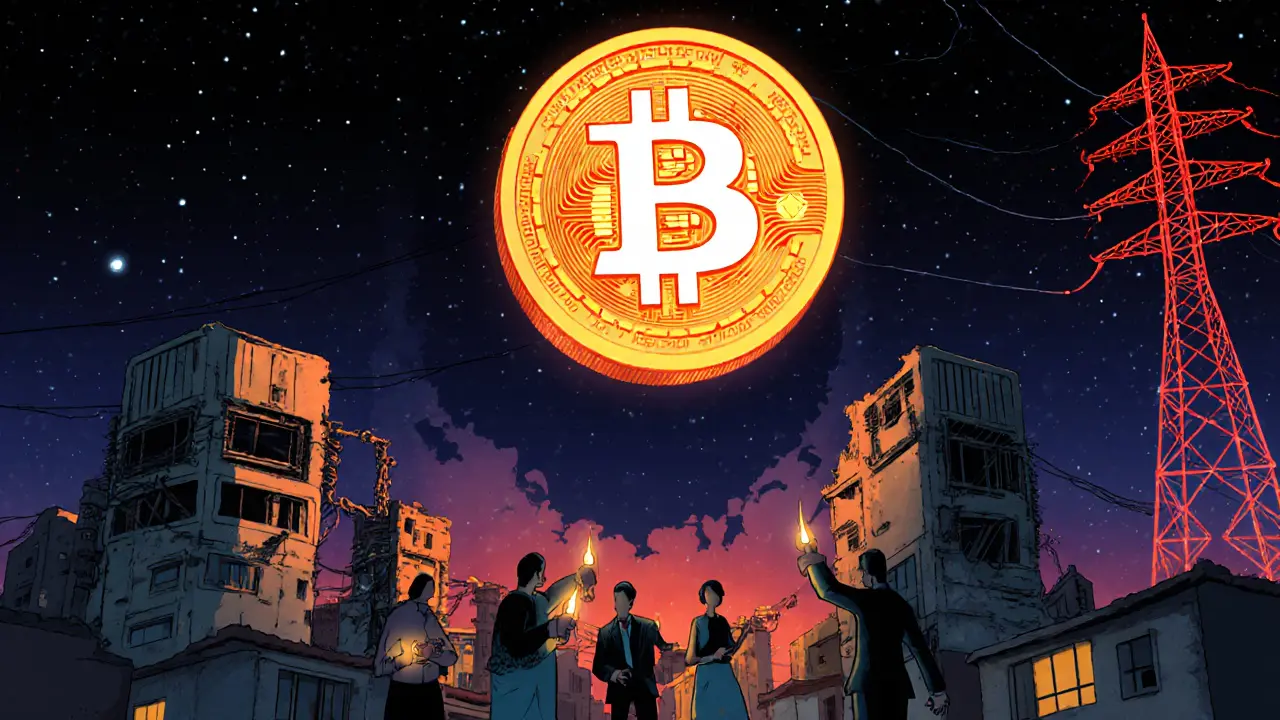
Iranian Energy Subsidies for Crypto Mining: How Cheap Power Fuels a National Crisis
Iran gives miners cheap electricity to earn foreign currency, but at the cost of daily blackouts for millions. Bitcoin mining uses as much power as Tehran, while families go without lights.
Recent Post
-
How to Calculate Yield Farming Returns in DeFi
Jan, 29 2026