Iran Crypto Mining: How Sanctions, Power, and Hardware Shape a Hidden Crypto Economy
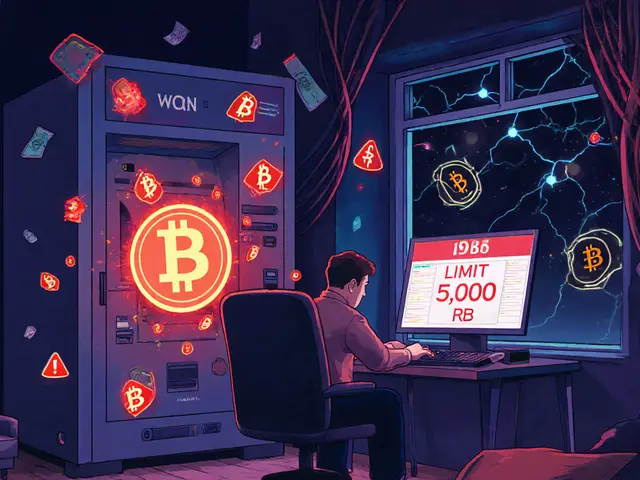
When you think of Iran crypto mining, the use of specialized hardware to validate blockchain transactions and earn cryptocurrency rewards, often in regions with cheap or subsidized electricity. Also known as Bitcoin mining in Iran, it’s not just a technical activity—it’s a survival strategy for many amid economic isolation. With Western banks cutting ties and inflation eating away at the rial, thousands of Iranians turned to mining as a way to earn dollars, protect savings, and access global markets. Unlike in places where mining is a hobby or corporate venture, here it’s often a family business—backyard rigs running 24/7, powered by government-subsidized electricity.
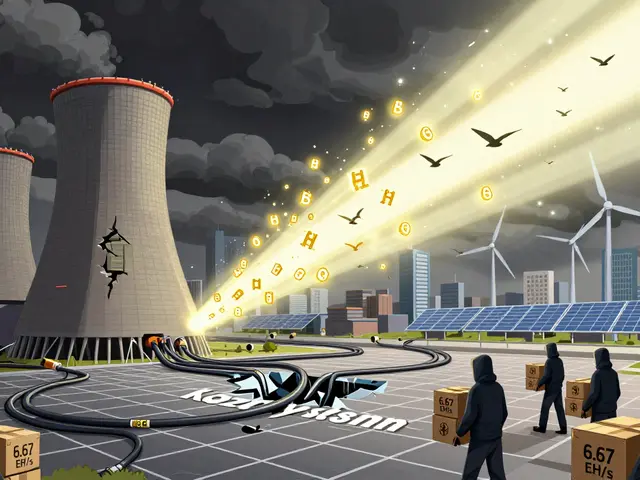
What makes Iran unique isn’t just the number of machines—it’s the energy policy, the state’s decision to allow and even encourage crypto mining as a way to absorb excess power and reduce fuel waste. Iran produces more electricity than it can use, especially during winter when hydro and wind output spikes. Instead of letting it go to waste, the government lets miners plug in. That’s why electricity for mining can cost as little as $0.01 per kWh—far below global averages. But this isn’t free. The state monitors usage, throttles power during shortages, and sometimes shuts down entire neighborhoods. Miners live with constant uncertainty: one day your rig runs fine, the next, the lights go out because the government says so.
Then there’s the hardware supply chain, the underground network of imported ASICs and GPUs that keeps Iran’s mining scene alive despite U.S. sanctions. You won’t find Bitmain or MicroBT in official stores, but smuggled rigs show up in Tehran bazaars, often repackaged as "industrial cooling units" or "medical equipment." Miners trade tips on forums, swap parts, and build DIY cooling systems to keep their machines from overheating. Some even use solar panels or wind turbines to cut dependency on the grid. It’s a patchwork system built on ingenuity, not corporate support.
And the risks? They’re real. Authorities have raided homes, seized rigs, and arrested miners for "illegal energy use." Others fall for fake mining pools or scams promising high returns. Even if you’re doing everything right, your profits can vanish overnight if the government changes the rules—like when they suddenly raised electricity rates for miners in 2023. Yet people keep mining. Because for many, it’s the only way to keep money from turning to dust.
What you’ll find in the posts below are real stories and hard facts about how crypto mining works under pressure—how people adapt, what tools they use, and why this isn’t just about Bitcoin. It’s about resilience, economics, and the quiet rebellion of turning wasted energy into digital value.
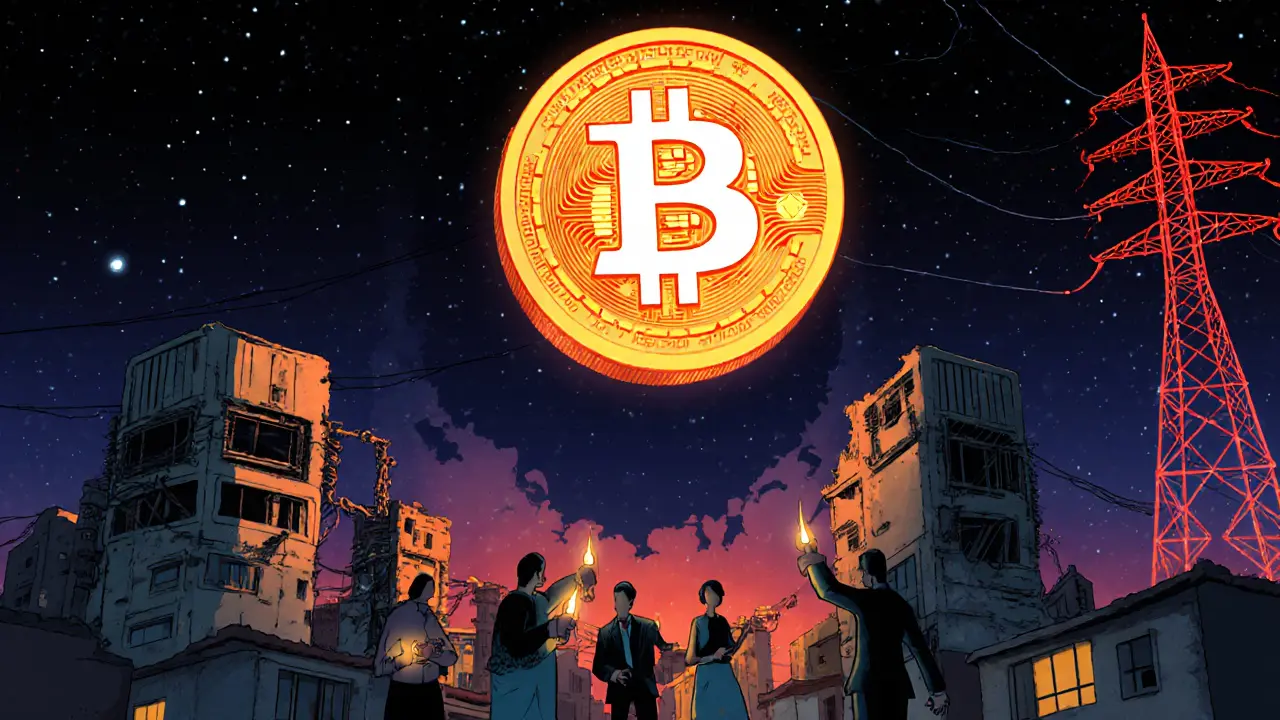
Iranian Energy Subsidies for Crypto Mining: How Cheap Power Fuels a National Crisis
Iran gives miners cheap electricity to earn foreign currency, but at the cost of daily blackouts for millions. Bitcoin mining uses as much power as Tehran, while families go without lights.