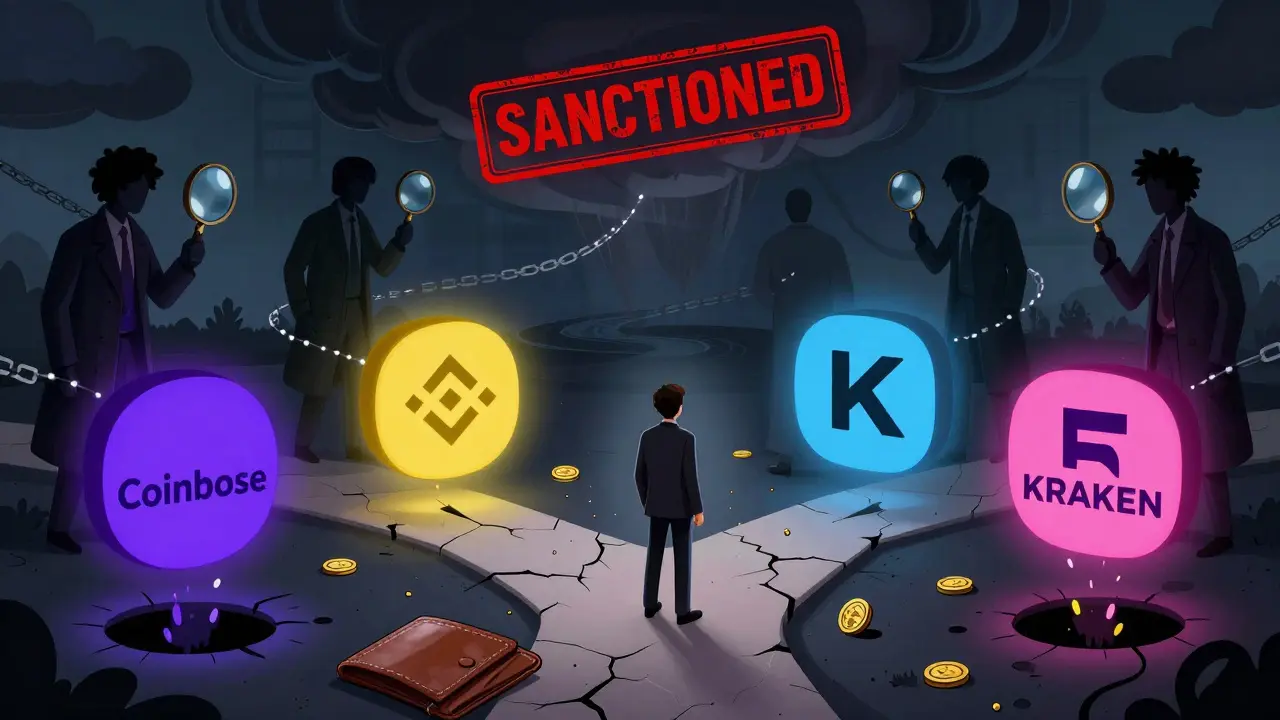
Many people think using multiple crypto exchanges is just a smart way to get better prices, access more coins, or bypass local trading limits. But what happens when you're not just trading - you're trying to avoid restrictions? The line between convenience and evasion is thinner than you think, and crossing it can cost you more than just money.
Why People Use Multiple Exchanges
It’s not all illegal. Some traders use several platforms to take advantage of price differences between markets - a practice called arbitrage. If Bitcoin is $60,000 on Coinbase and $59,800 on Binance, buying low and selling high makes sense. Same with accessing tokens not listed in your country. If you live in a region where a certain altcoin is blocked, using a global exchange might be your only way in. But here’s the catch: the same tools that help legitimate traders can also be weaponized. When users layer exchanges to hide where their money came from - or where it’s going - they’re not just optimizing. They’re obfuscating. And regulators are watching.How Restrictions Are Circumvented
There are three main ways people bypass limits using multiple exchanges:- Nested exchanges - These aren’t full exchanges. They’re middlemen. You deposit crypto into them, and they trade on your behalf using accounts on bigger platforms like Kraken or OKX. The problem? Many don’t do KYC. They don’t ask for ID. They don’t track your source of funds. That makes them perfect for hiding dirty money.
- Non-compliant exchanges - Some platforms operate in countries with weak or no sanctions enforcement. Others are outright rogue. These exchanges openly accept funds from sanctioned individuals or entities. In 2025, U.S. authorities shut down Garantex, a major exchange tied to Russian-linked laundering. Within days, its operators launched Grinex - a direct successor built to keep the same services alive. Grinex even advertised itself as "the new Garantex".
- Decentralized exchanges (DEXs) - Unlike centralized platforms, DEXs like Uniswap or PancakeSwap don’t hold your money. You trade directly from your wallet. No sign-up. No ID. No oversight. That’s great for privacy - but also perfect for criminals moving stolen funds or ransomware payments without a paper trail.
These aren’t theoretical risks. In 2025, the U.S. Treasury’s OFAC designated Grinex as a sanctioned entity. That means any U.S. citizen or business interacting with it is breaking federal law - even if they didn’t know who they were dealing with.
The Hidden Dangers
Using multiple exchanges sounds harmless until something goes wrong. Here’s what you might not realize:- You lose control - With nested exchanges, you’re trusting someone else with your assets. If they get hacked, go offline, or get shut down by regulators, your funds vanish. No recourse. No insurance.
- Your wallet gets flagged - Blockchain analysis tools can trace every transaction. If one exchange you used is flagged, any wallet that ever sent or received funds from it may be added to a watchlist. That means future transfers get blocked - even if you’re innocent.
- You become a target - Criminals use these systems to launder money. When law enforcement traces a ransomware payment back through five exchanges, they don’t just arrest the hacker. They freeze wallets of everyone who touched that chain. You don’t need to be guilty to get caught in the net.
Think of it like this: if you use a fake ID to rent a car and then drive it into a bank robbery, you didn’t plan the crime - but you’re still the getaway driver.
How Regulators Are Fighting Back
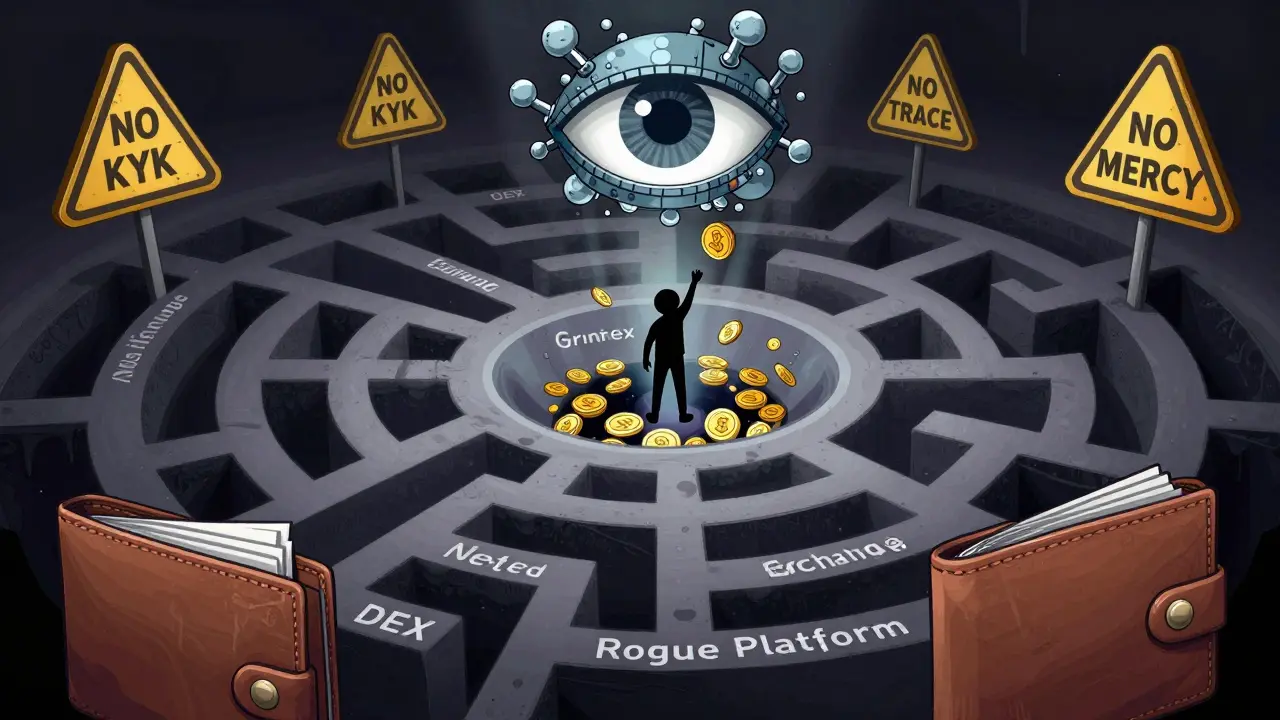
The SEC and OFAC aren’t waiting around. They’re using three tools:- Designating successor platforms - When one exchange gets shut down, regulators immediately target its replacements. Grinex didn’t slip through - it was named the day after Garantex fell.
- Monitoring transaction patterns - If your funds move from a regulated exchange to a DEX, then to a wallet with no history, then to a known criminal address - that’s a red flag. Tools from firms like Chainalysis and Merkle Science flag these paths automatically.
- Pressuring software providers - Many exchanges use third-party compliance software to screen users. If that software detects sanctions evasion, it can freeze accounts or block transactions before they happen.
According to attorney Hailey Lennon, "Crypto moves without banks - but that doesn’t mean it moves without responsibility." Exchanges are now legally required to monitor for "red flags" - like instant trades without KYC, high-volume transfers from high-risk jurisdictions, or repeated use of coin-swap services.
What Counts as a Red Flag?
Here are signs you might be walking into trouble:- An exchange lets you trade immediately after depositing - no ID, no verification.
- You’re asked to send funds to a wallet address instead of a platform account.
- The exchange doesn’t list its legal entity or location.
- You’re using a "coin swap" service via Telegram or Discord with no sign-up.
- Your funds are moving through multiple wallets before reaching their final destination.
If any of this sounds familiar - stop. Don’t move more money. Don’t send more crypto. And don’t assume "everyone’s doing it" makes it safe.
Legitimate Use vs. Illegal Evasion
Not everyone using multiple exchanges is a criminal. Some traders:- Use Binance for spot trading and Kraken for margin
- Trade on Coinbase for USD pairs and Gate.io for altcoin pairs
- Switch between platforms to avoid daily withdrawal limits
That’s fine - as long as you’re doing it transparently. If you’re using KYC-compliant platforms, keeping records, and not trying to hide your trail, you’re within bounds. But if you’re routing funds through five unregulated services to avoid a $5,000 reporting threshold - you’re crossing the line.
What Happens If You Get Caught?
The consequences aren’t theoretical:- Your funds get frozen - permanently.
- You’re added to a sanctions list - affecting future banking, travel, or even employment.
- You face civil penalties - up to $1 million per violation.
- In extreme cases, criminal charges - especially if you knowingly helped launder money.
There’s no "mistake" defense when regulators have blockchain evidence. If your wallet sent funds to a sanctioned address - even once - you’re on the hook.
How to Stay Safe
If you want to trade across exchanges, do it right:- Only use platforms that require KYC and display their legal registration.
- Keep records of every deposit, withdrawal, and trade.
- Avoid any service that promises "no limits" or "no questions asked."
- Use blockchain explorers like Etherscan or Bitcoin Block Explorer to check where your funds are going.
- If you’re unsure, don’t use it. When in doubt, walk away.
There’s no shortcut around regulation. The crypto world isn’t lawless - it’s just harder to police. And regulators are getting better every day.
Is it illegal to use multiple crypto exchanges?
No, using multiple exchanges isn’t illegal by itself. Many traders do it to access better prices or trade tokens not available locally. But it becomes illegal if you use those exchanges to hide the source or destination of funds, evade sanctions, or bypass reporting requirements. The intent and method matter more than the number of platforms.
What is a nested exchange?
A nested exchange is a service that lets users trade crypto without directly using a major exchange. Instead, it operates by opening accounts on platforms like Binance or Kraken and trading on behalf of its users. These services often skip KYC checks, making them popular for money laundering. They’re not exchanges in the traditional sense - they’re intermediaries with little to no oversight.
Can I get in trouble even if I didn’t know the exchange was sanctioned?
Yes. Regulators don’t always require proof of intent. If your wallet interacts with a designated entity like Grinex - even once - your funds can be frozen. Blockchain transactions are permanent and traceable. Ignorance doesn’t erase the trail. Always check if an exchange is on OFAC’s sanctions list before using it.
Why are decentralized exchanges risky for avoiding restrictions?
DEXs like Uniswap or SushiSwap don’t require sign-ups or identity checks, making them ideal for moving funds anonymously. But that also means they’re heavily used by criminals to launder stolen crypto or pay ransomware demands. Even though DEXs themselves aren’t illegal, using them to hide transactions from regulators is. Plus, if your wallet is flagged, future DeFi interactions - like lending or staking - may be blocked.
How do regulators track multi-exchange transactions?
Regulators use blockchain analytics tools that trace every crypto transaction across chains and platforms. These tools map wallet connections, identify patterns (like rapid transfers between exchanges), and link wallets to known criminal addresses. Even if you use five different exchanges, if one of them is flagged, the entire chain can be unraveled. There’s no such thing as a truly untraceable crypto path anymore.
Are there legal ways to access crypto if my country blocks exchanges?
Yes. Some countries allow licensed peer-to-peer platforms or regulated foreign exchange access. Others permit crypto purchases through compliant over-the-counter (OTC) desks. You can also use decentralized exchanges - as long as you’re not trying to hide your identity or move illicit funds. Always research your local laws first. Using unregulated platforms to bypass national restrictions is risky and often illegal.
What should I do if I accidentally used a sanctioned exchange?
Stop using it immediately. Do not send more funds. Do not try to withdraw. Contact a legal professional familiar with crypto regulations. If you’re in the U.S., report the incident to FinCEN. In most cases, your funds will remain frozen, but acting quickly may prevent further penalties. The sooner you disengage, the less likely you are to face criminal charges.

Anastasia Danavath
March 18, 2026 AT 09:01Jerry Panson
March 18, 2026 AT 10:56Bruce Doucette
March 20, 2026 AT 04:22Marie Vernon
March 20, 2026 AT 06:20Ross McLeod
March 20, 2026 AT 19:35Anastasia Thyroff
March 21, 2026 AT 12:06Christopher Hoar
March 22, 2026 AT 04:06anshika garg
March 22, 2026 AT 13:48