Blockchain & Cryptocurrency: How Real People Use Crypto Beyond the Hype
When you hear blockchain, a digital ledger that records transactions across many computers so that any involved record cannot be altered retroactively. Also known as distributed ledger technology, it's not just about Bitcoin—it's the backbone of how people bypass broken financial systems every day. From students in India using stablecoins to pay for food, to families in Cuba sending money home without banks, blockchain is turning into a lifeline, not a lottery ticket.
cryptocurrency, digital money that uses cryptography for security and operates independently of a central bank. Also known as crypto, it’s not just speculation—it’s survival for millions. Stablecoins like USDT and USDC keep value steady so people can trade, save, and pay without losing half their money to volatility. Decentralized exchanges let anyone swap tokens without handing over their ID, but they’re getting shut down fast as regulators crack down. And behind every safe trade? smart contract auditing, the process of reviewing code on blockchain networks to find security flaws before funds are at risk. Firms like CertiK and OpenZeppelin are the unseen guards keeping DeFi from collapsing.
What you’ll find here isn’t theory. It’s what’s actually happening: how Cubans use Bitcoin under government watch, why $150 million in crypto got frozen in the Philippines, and why no one should trust a fake airdrop promising free tokens. You’ll learn how to read order books to avoid getting ripped off, why some exchanges are outright dangerous, and how tools like PancakeSwap on Linea cut trading fees to pennies. This isn’t about getting rich overnight. It’s about understanding the real mechanics—so you don’t lose your money to scams, bad platforms, or confusion.
Whether you’re new and wondering how to even start trading without a bank account, or you’ve held crypto for years and want to know who’s really moving the market—this collection gives you the straight facts. No fluff. No hype. Just what works, what’s risky, and what to avoid right now.

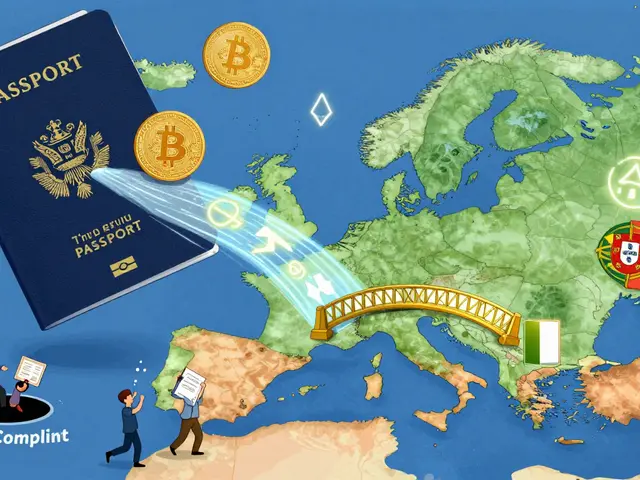
Crypto Trading in Restricted Countries: A Compliance-First Guide
Learn how to navigate cryptocurrency trading in restricted countries using a compliance-first strategy, focusing on legal distinctions and risk mitigation.

TripCandy CANDY Airdrop: Everything You Need to Know
Get the full details on the TripCandy CANDY airdrop, tokenomics, and how to earn crypto rewards through travel bookings on the Binance Smart Chain.

What is SMART Coin? A Deep Dive into the Smart Blockchain Network
Discover what SMART crypto coin is, how the Smart Blockchain network works, and its current market price. Learn about DPoS and its 2,000 TPS speed.
LFJ v2 Arbitrum Review: Is This Trader Joe Expansion Worth Your Time?
A deep dive into LFJ V2 on Arbitrum. Discover if this lean version of Trader Joe is the right DEX for your layer-2 trading needs, including fees and asset limits.
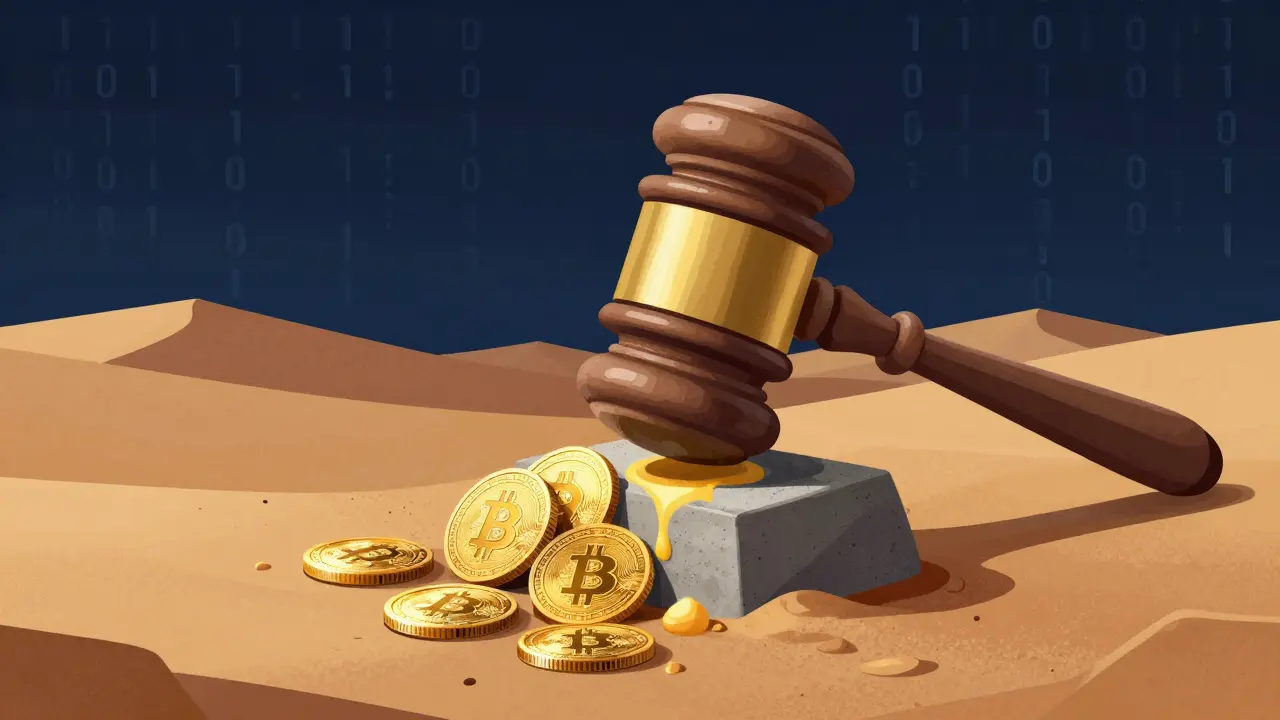
Crypto prohibition enforcement in Algeria: What you need to know about the 2025 ban
Algeria enforced a total crypto ban with Law No. 25-10 in 2025. Learn the penalties, prohibited activities, and impact on local businesses.

What Is Xphere (XP) Crypto Coin? A Complete Guide for 2026
Explore Xphere (XP), a Layer 1 blockchain solving the trilemma with dual-chain architecture. Learn about tokenomics, EVM compatibility, and market performance in 2026.

What is Waggle Network (WAG) Crypto Coin: Complete Guide 2026
Explore Waggle Network, a Solana-based marketplace for vested token trading. Learn about the WAG token, market stats, risks, and how it transforms DeFi fundraising.
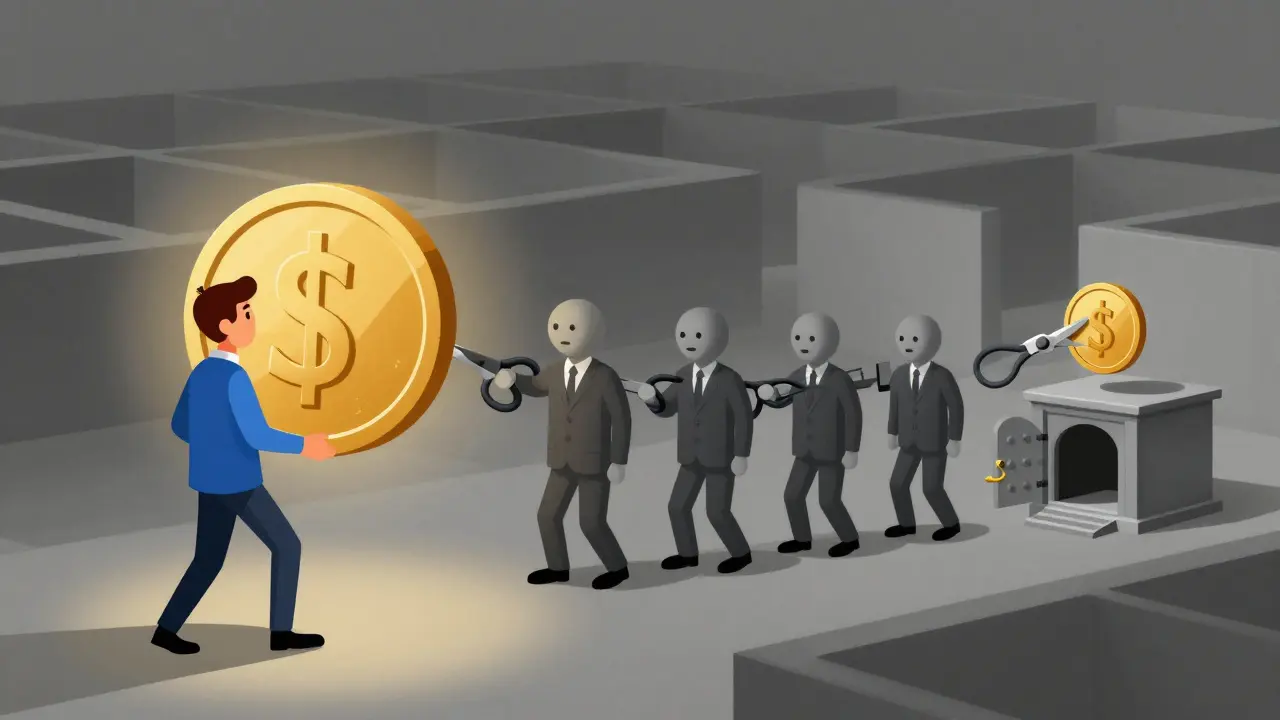
Direct Creator Payments with Cryptocurrency: A 2026 Guide
Direct creator payments with cryptocurrency allow artists and professionals to earn money without high platform fees. Learn how blockchain technology works, compare costs, and see which platforms make it easy to get started in 2026.
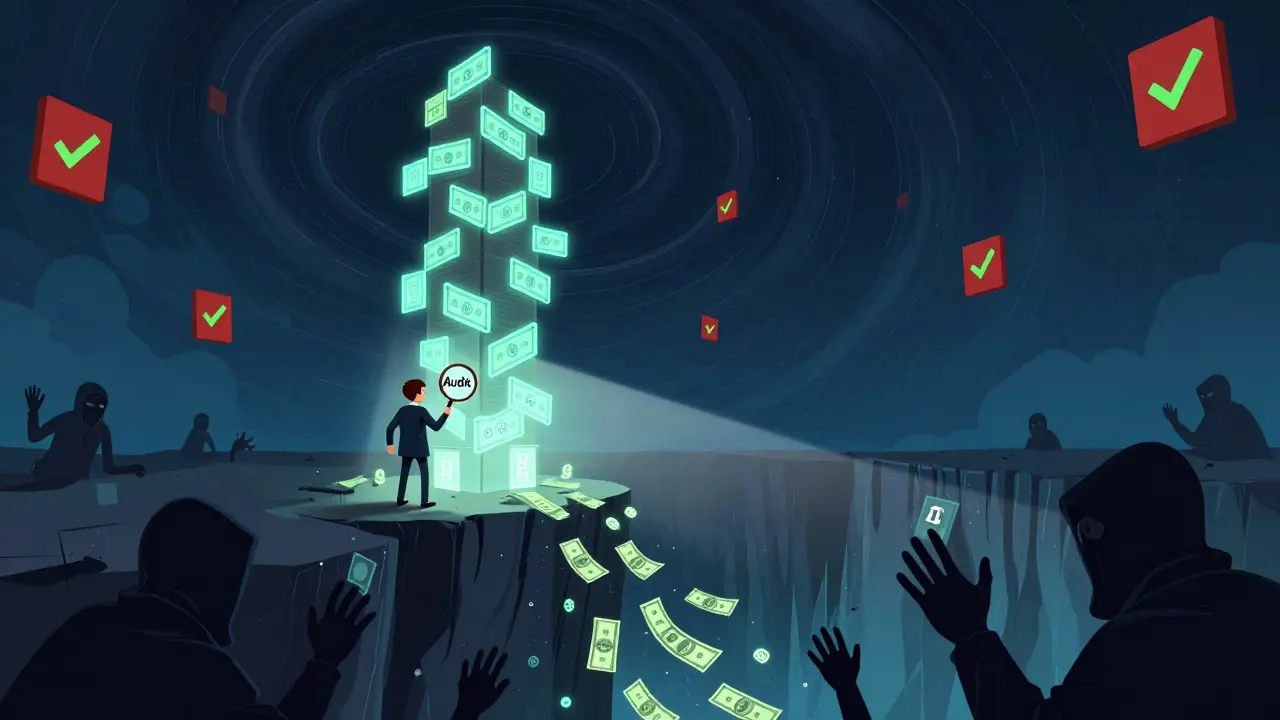
Cost of Professional Crypto Security Audits in 2026
Crypto security audits cost between $1,000 and $300,000+ in 2026, depending on project complexity. Simple tokens are cheap, but DeFi and bridges require serious investment. Skipping audits risks millions in losses.
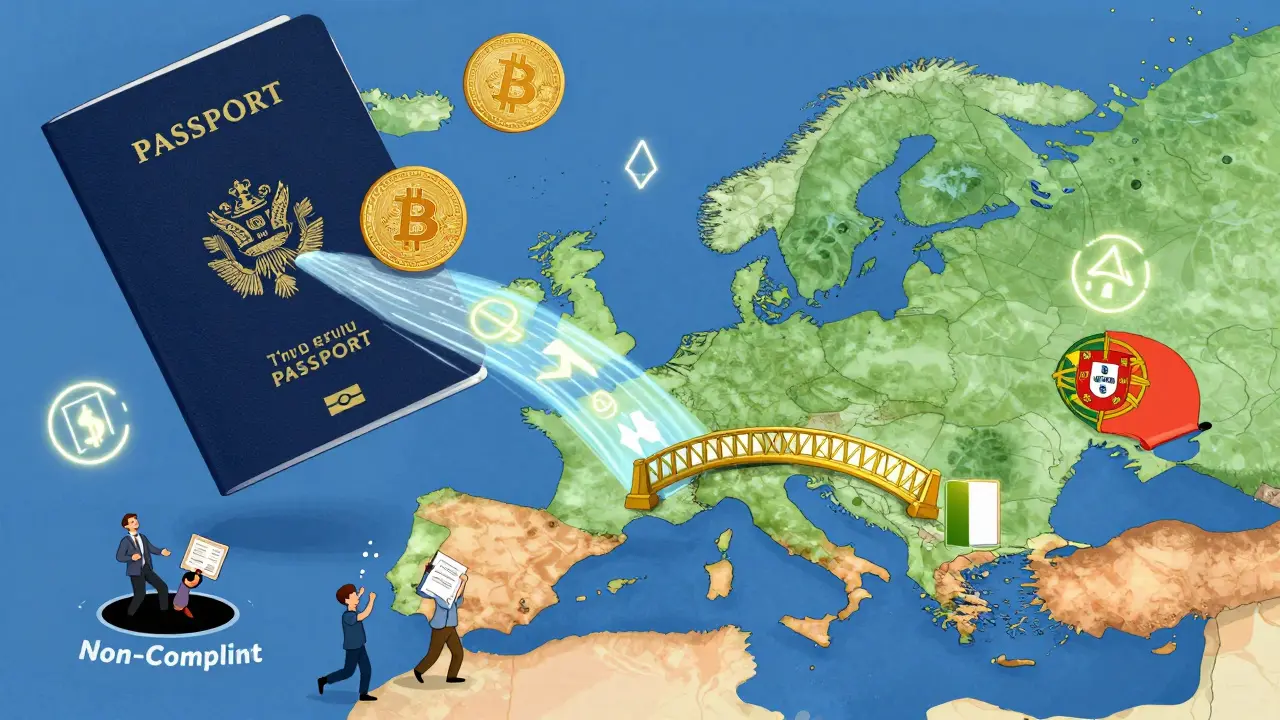
Cross-border crypto services in EU under MiCA: What you need to know in 2026
MiCA regulation now governs cross-border crypto services in the EU, requiring all providers to get licensed under a unified passport system. Non-EU firms must set up EU subsidiaries to operate legally. Stablecoins and custodial wallets face strict new rules.

Miner Revenue from Block Rewards in Bitcoin: How Halvings and Fees Shape Mining Economics
Miner revenue from block rewards keeps Bitcoin secure by paying miners in new Bitcoin and transaction fees. With halvings cutting rewards every four years, the network is shifting toward fee-based income. Today’s miners need cheap power, efficient ASICs, and long-term strategy to survive.

How Two-Way Pegs Work in Bitcoin Sidechains
Two-way pegs let Bitcoin interact with sidechains by locking and unlocking assets cryptographically. They’re secure in theory but risky in practice, with only a few real-world uses like Rootstock and Liquid. BitVM may change everything.